
Books & Magazines

 April 27, 2024
During the Mauryan period, India witnessed a flourishing of culture and literature. This era, marked by the reign of Emperor Ashoka, saw the spread of Buddhism, which influenced art, architecture, and literature. Sanskrit and Prakrit languages flourished, leading to the composition of important texts like the Arthashastra by Kautilya and the plays of Bhasa. The period also witnessed advancements in science, medicine, and mathematics.
The monuments before the period of Ashoka were mostly made of wood and therefore perished. The use of stone started from the time of Ashoka. The artistic remains of the Mauryan period can be seen in the following heads:
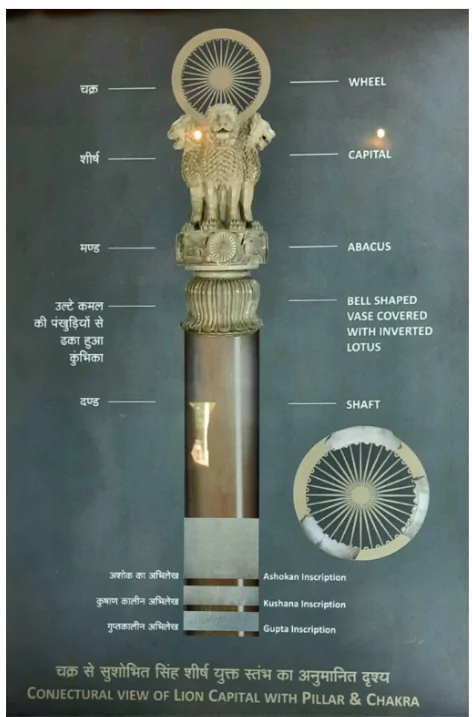
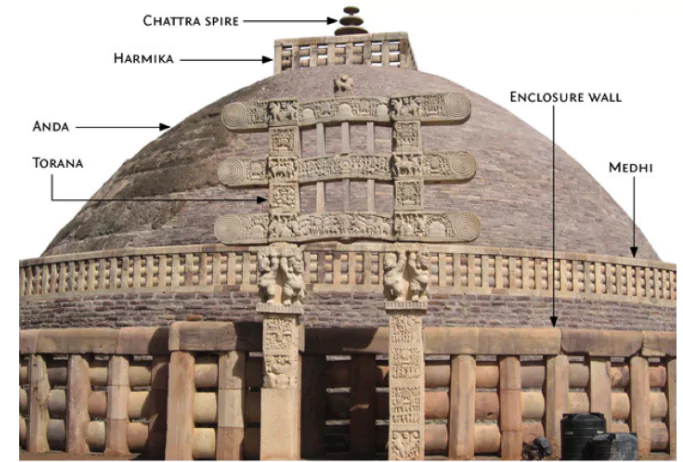
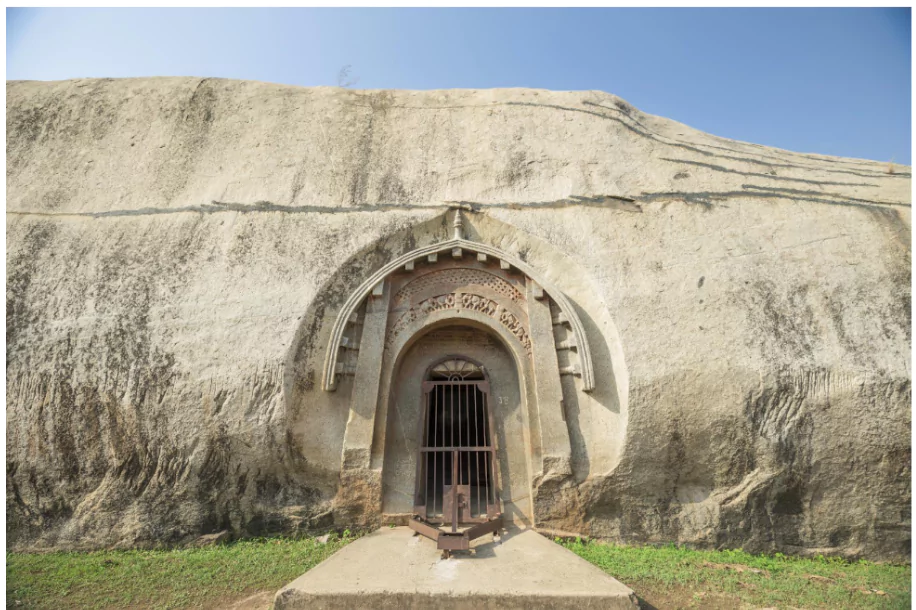
The Mauryas introduced stone masonry on a large scale.
|
| Must Read | |
| Current Affairs | Editorial Analysis |
| Upsc Notes | Upsc Blogs |
| NCERT Notes | Free Main Answer Writing |
The Mauryan period marked a significant advancement in architecture, culture, and literature in ancient India. Architectural marvels like the Ashoka pillars and the Great Stupa at Sanchi reflect the era’s artistic excellence and engineering prowess. Culturally, the period saw the spread of Buddhism, influencing art and societal norms. Literary works, such as Ashoka’s edicts and Buddhist texts, showcased the intellectual vibrancy of the time, leaving a lasting legacy in Indian history.
 Books & Magazines
Prelims Wallah (Q&A Bank)
Udaan
Udaan 500+
Budget & Economic Survey
Monthly Current Wallah
Weekly Current Wallah
Editorial Summary
Editorial Q&A Compilation
NCERT Wallah
Prahaar (Mains Wallah)
Marks Booster
Mains Wallah (Q&A Bank)



<div class="new-fform">
</div>

 GS Foundation
 Crash Course
 Combo
Combo Optional Courses
 Degree Program