Books

 9 Mar 2026

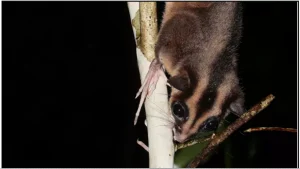
Researchers rediscovered two marsupials, Ring‑tailed Glider and Pygmy Long‑fingered Possum, in forests of New Guinea, previously thought extinct for nearly 6,000 years.
Explore UPSC Prarambh Course

Explore UPSC Prarambh Course
| Lazarus taxis is the term used for species that show up alive when they are only previously known from material like fossilised remains. |
|---|
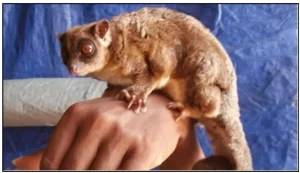 Habitat: The species survives in dense tropical rainforests of the Vogelkop Peninsula in Papua, where thick forest canopies support arboreal wildlife.
Check Out UPSC CSE Books
Visit PW Store
Explore UPSC Test Series



.png)


Explore SRIJAN Prelims Crash Course



Connect with our experts to get free counselling & start preparing
Books
Udaan (Prelims Wallah)
Prahaar (Mains Wallah)
Q&A Bank (Prelims & Mains)
Budget & Economic Survey
NCERT Wallah
Marks Booster
हिंदी माध्यम विशेष शृंखला
 Current Affairs
Monthly Current Wallah
Subject Wise Current Affairs
Editorial Analysis
Editorial PDFs
News of The Day
Download Our App



Download Our App
<div class="new-fform">
</div>

 GS Foundation
 Optional Course
 Combo Courses
 Degree Program