Royal Indian Navy Revolt 1946: Causes, Events and Impact

20 Feb 2026

English

हिन्दी

Royal Indian Navy Revolt 1946: Causes, Events and Impact

February 18, 2026 marks the 80th anniversary of the 1946 Royal Indian Navy revolt, a pivotal anti-colonial uprising during India’s final phase of freedom struggle.

About Royal Indian Navy Revolt

  • The Royal Indian Navy (RIN) Revolt (February 18–23, 1946) was a five-day armed uprising by naval ratings against British colonial rule, beginning in Bombay and spreading nationwide.
    • Ratings are  junior enlisted sailors who are below the military rank of warrant officer.

Causes of the Revolt

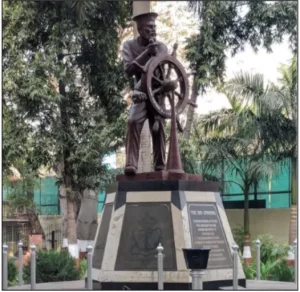
Royal Indian Navy Revolt

  • Poor Service Conditions: Indian ratings faced inferior food, low wages, overcrowding, and discriminatory treatment by British officers.
    • Despite being part of  World War 2 and other battles for the British Crown, Indian ratings were never given fair compensation.
  • Immediate Trigger: The appointment of Commander Arthur Frederick King at HMIS Talwar and abusive remarks intensified resentment, triggering a hunger strike.
  • Nationalist Influence: The Quit India Movement (1942) and Indian National Army (INA) trials (1945) inspired anti-colonial sentiment among sailors.
  • Post-War Economic Hardship: Rising prices, unemployment, and wartime discontent deepened dissatisfaction among recruits from modest backgrounds.

Events of the Revolt

  • Outbreak at HMIS Talwar (Bombay): The revolt began on February 18, 1946, with a hunger strike protesting food quality and discrimination.
    • The ratings adopted  the slogan “No Food, No Work.”
  • Formation of Naval Central Strike Committee: Leaders such as M. S. Khan, B. C. Dutt, Madan Singh, and others coordinated demands through a central committee.
  • Nationwide Spread and Popular Support: The uprising spread to 78 ships and 20 establishments, involving nearly 20,000 ratings, with workers and students joining protests in other locations, including Karachi, Calcutta, and Cochin.
  • Armed Confrontation and Suppression: Street battles erupted in Bombay’s mill districts where  British forces used heavy firepower, killing around 200 civilians.
  • End of Revolt: Mahatma Gandhi condemned the mutiny as ill-timed and lacking disciplined political guidance, while Congress and Muslim League leaders urged restraint to protect constitutional negotiations.
    • Amid limited political backing and mounting military pressure, the naval ratings surrendered on February 23, 1946, bringing the revolt to an end.

Impacts of the Mutiny

  • Erosion of British Military Confidence: The revolt signalled that colonial authorities could no longer fully rely on Indian armed forces.
  • Acceleration of Decolonisation: It contributed to Britain’s decision to expedite the transfer of power in 1947.
  • Moment of Communal Unity: Hindu-Muslim solidarity was visible as Congress, Muslim League, and Communist flags were jointly displayed.

Check Out UPSC CSE Books

Visit PW Store

online store 1

Conclusion

The 1946 RIN Revolt remains a powerful reminder of militant anti-colonial solidarity and its role in hastening India’s independence despite its brief duration.

Need help preparing for UPSC or State PSCs?

Connect with our experts to get free counselling & start preparing

Aiming for UPSC?

Download Our App

      
Quick Revise Now !
AVAILABLE FOR DOWNLOAD SOON
UDAAN PRELIMS WALLAH
Comprehensive coverage with a concise format
Integration of PYQ within the booklet
Designed as per recent trends of Prelims questions
हिंदी में भी उपलब्ध
Quick Revise Now !
UDAAN PRELIMS WALLAH
Comprehensive coverage with a concise format
Integration of PYQ within the booklet
Designed as per recent trends of Prelims questions
हिंदी में भी उपलब्ध

<div class="new-fform">


    </div>

    Subscribe our Newsletter
    Sign up now for our exclusive newsletter and be the first to know about our latest Initiatives, Quality Content, and much more.
    *Promise! We won't spam you.
    Yes! I want to Subscribe.