Books

The current affairs for 9 April 2026 focus on India's path toward social equality and environmental leadership. Highlights include the reformative philosophy of Mahatma Jyotiba Phule, the legal complexities of the Sabarimala case, and India's progress in exceeding its NDC climate goals. Additionally, the government is pushing for agricultural self-reliance through Regional Agriculture Conferences and a science-backed "One Health" strategy

Daily Current Affairs – 9 April 2026 highlights key developments in social reform, judiciary, environment, health, and agriculture. It covers the contributions of Mahatma Jyotiba Phule, the ongoing Sabarimala case review, and India’s updated Nationally Determined Contributions (NDCs) for climate action.
It also focuses on World Health Day themes like the One Health approach and preventive healthcare, along with Regional Agriculture Conferences promoting self-reliance, sustainable farming, and region-specific strategies for improving productivity and farmer welfare.
This Daily Current Affairs – 9 April 2026 focuses on key issues from society, polity, environment, health, and agriculture with a strong UPSC mains perspective. It highlights important developments and their analytical relevance for exam preparation.
Key Contributions:
Mains Angle: Role of social reformers in promoting equality and education as tools for social change (GS I).
Link with modern issues like caste discrimination, women empowerment, and ethical values (GS IV).
The Sabarimala case involves the entry of women of menstruating age into the Sabarimala Temple, dedicated to Lord Ayyappa.
Supreme Court Judgment (2018): In Indian Young Lawyers Association vs. State of Kerala, the Supreme Court (4:1 majority) allowed women of all ages to enter. The ban was deemed a violation of Article 14 (Right to Equality), Article 15 (Prohibition of Discrimination), and Article 25 (Freedom of Religion) for women.
Mains Angle: Examines conflict between Fundamental Rights (Article 14) and Religious Freedom (Articles 25–26) (GS II).
Highlights debates on judicial activism, ERP test, and gender equality in religious practices.
Nationally Determined Contributions (NDCs) are self-declared targets submitted by countries under the 2015 Paris Agreement to combat climate change. They outline emission reduction and adaptation strategies.
Mains Angle: Focus on India’s climate commitments, sustainable development, and global responsibility (GS III). Discuss the balance between economic growth and climate justice under CBDR principles.
World Health Day is celebrated to raise awareness about global health concerns.
Mains Angle: Emphasizes public health reforms, preventive healthcare, and pandemic preparedness (GS II). Highlights the One Health approach linking human, animal, and environmental health systems.
The Ministry of Agriculture initiated Regional Agriculture Conferences to develop localized strategies. The inaugural event was in Jaipur, with plans for Lucknow and Bhubaneswar.
Mains Angle: The need for region-specific policies to ensure sustainable and efficient agriculture (GS III). Focus on self-reliance, agri-tech, and initiatives like DBT and Lab to Land for farmer support.
Which of the above statements is/are correct?
A. 1 and 2 only
B. 1 and 3 only
C. 2 and 3 only
D. 1, 2 and 3
Answer: B
Explanation: Phule opposed caste discrimination and promoted education, especially for women and backward classes.
A. Federalism and Centre-State relations
B. Right to Privacy
C. Conflict between Equality and Religious Freedom
D. Right to Property
Answer: C
Explanation: The case deals with Article 14 (Equality) vs Articles 25–26 (Religious Freedom).
A. Kesavananda Bharati Case
B. Minerva Mills Case
C. Shirur Mutt Case (1954)
D. Golaknath Case
Answer: C
Explanation: The ERP Test allows courts to determine whether a religious practice is essential to a religion.
Check Out UPSC CSE Books
Visit PW Store
A. 100% renewable energy by 2030
B. 60% non-fossil fuel capacity by 2035
C. Net-zero emissions by 2025
D. Complete ban on coal usage
Answer: B
Explanation: India aims for 60% non-fossil fuel energy capacity by 2035 under updated NDCs.
A. Only human healthcare systems
B. Integration of human, animal, and environmental health
C. Hospital infrastructure development
D. Pharmaceutical industry growth
Answer: B
Explanation: One Health links human, animal, and environmental health, especially important for zoonotic diseases.
UPSC Offline Centres List
City
UPSC Offline Centres
Pantna
UPSC Coaching in Patna
Delhi
UPSC Coaching in Delhi
Lucknow
UPSC Coaching in Lucknow
Indore
UPSC Coaching in Indore
Jaipur
UPSC Coaching in Jaipur
Chandigarh
UPSC Coaching in Chandigarh
Bengaluru
UPSC Coaching in Bengaluru
Muzaffarpur
UPSC Coaching in Muzaffarpur
Prayagraj
UPSC Coaching in Prayagraj
Explore UPSC Test Series

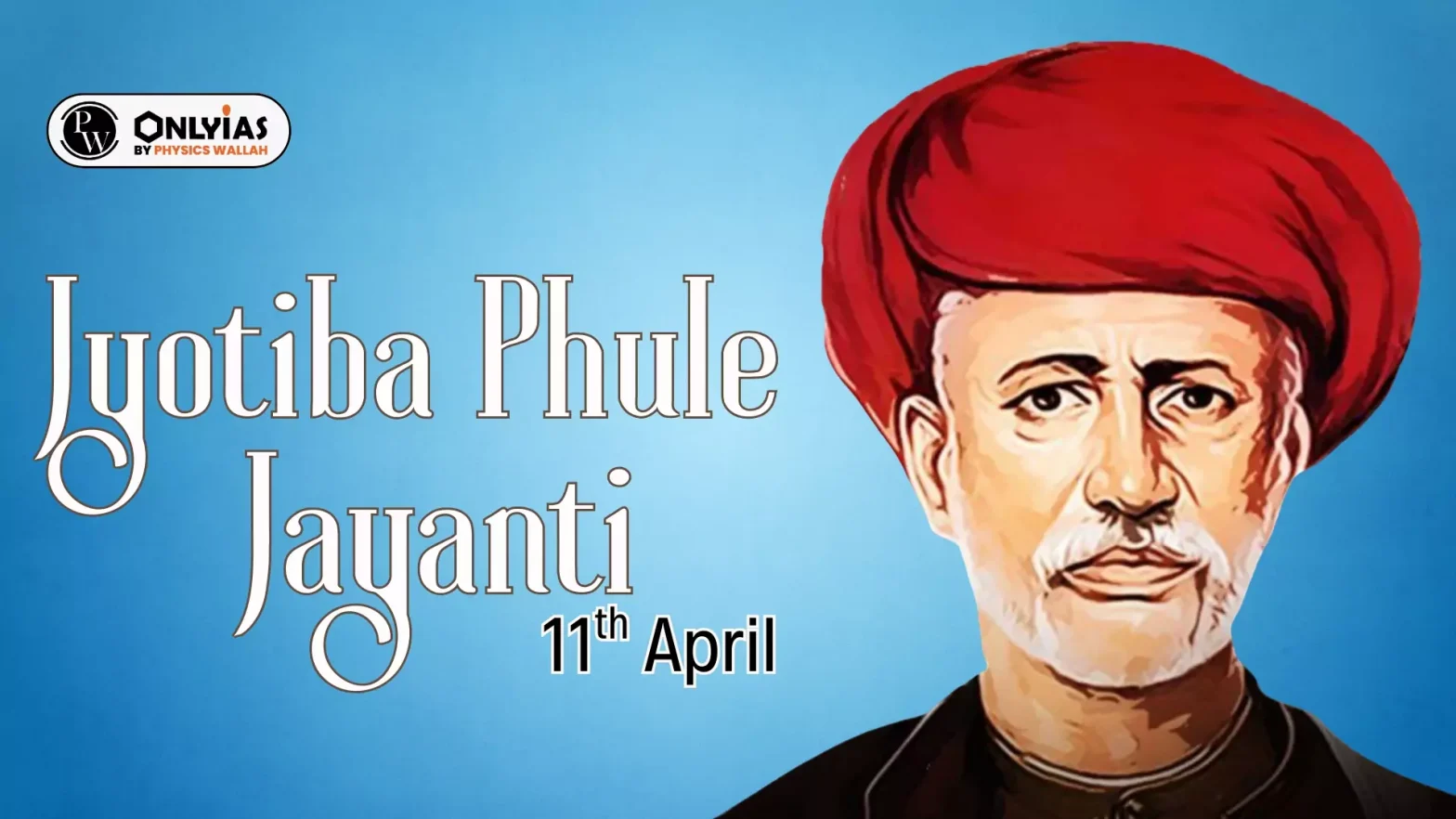
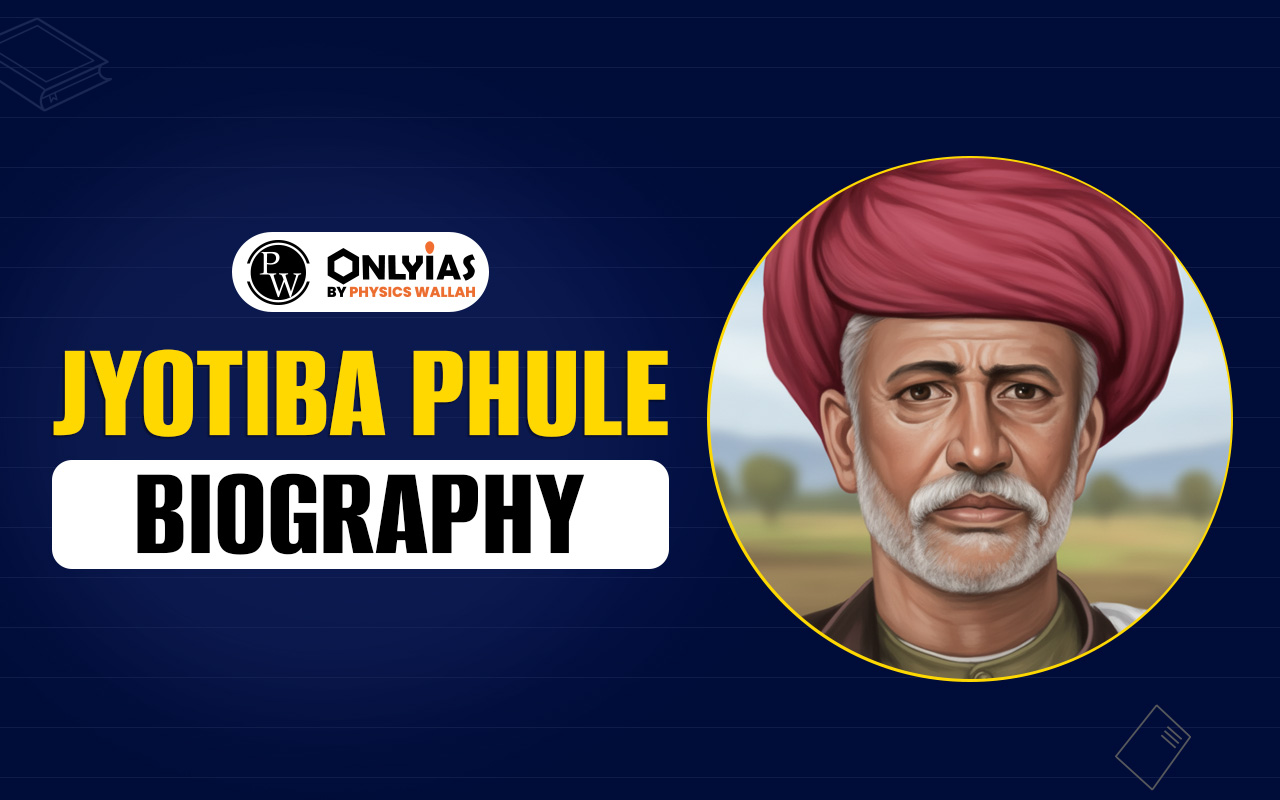
He was a social reformer (1827) who promoted equality and education, aiming to remove caste and gender discrimination through rational thinking.
The ERP Test, from the Shirur Mutt Case (1954), allows courts to interfere only if a practice is not essential to a religion; the Sabarimala ban was deemed non-essential.
India aims to reduce emission intensity by 45% and achieve 50% non-fossil fuel power capacity by 2030.
It links human, animal, and environmental health to address diseases and ensure better public health outcomes.
It connects research to farming by sending scientists to directly apply innovations and technology at the farmer level.



Explore SRIJAN Prelims Crash Course


Connect with our experts to get free counselling & start preparing
Books
Udaan (Prelims Wallah)
Prahaar (Mains Wallah)
Q&A Bank (Prelims & Mains)
Budget & Economic Survey
NCERT Wallah
Marks Booster
हिंदी माध्यम विशेष शृंखला
 Current Affairs
Monthly Current Wallah
Subject Wise Current Affairs
Editorial Analysis
Editorial PDFs
News of The Day
Download Our App



Download Our App
<div class="new-fform">
</div>

 GS Foundation
 Optional Course
 Combo Courses
 Degree Program