Udaan, Prahaar, Q&A Bank etc.
CA Magazines & Editorials
The Delhi Dehradun Expressway was officially inaugurated by PM Narendra Modi on April 14, 2026, slashing travel time between the two cities from 6 hours to just 2.5 hours. Spanning a total length of 213 km, this access-controlled corridor connects Delhi, Baghpat, Shamli, Saharanpur, and Dehradun. A major highlight of the project is the 12-km elevated section through Rajaji National Park, recognized as Asia’s longest wildlife corridor.
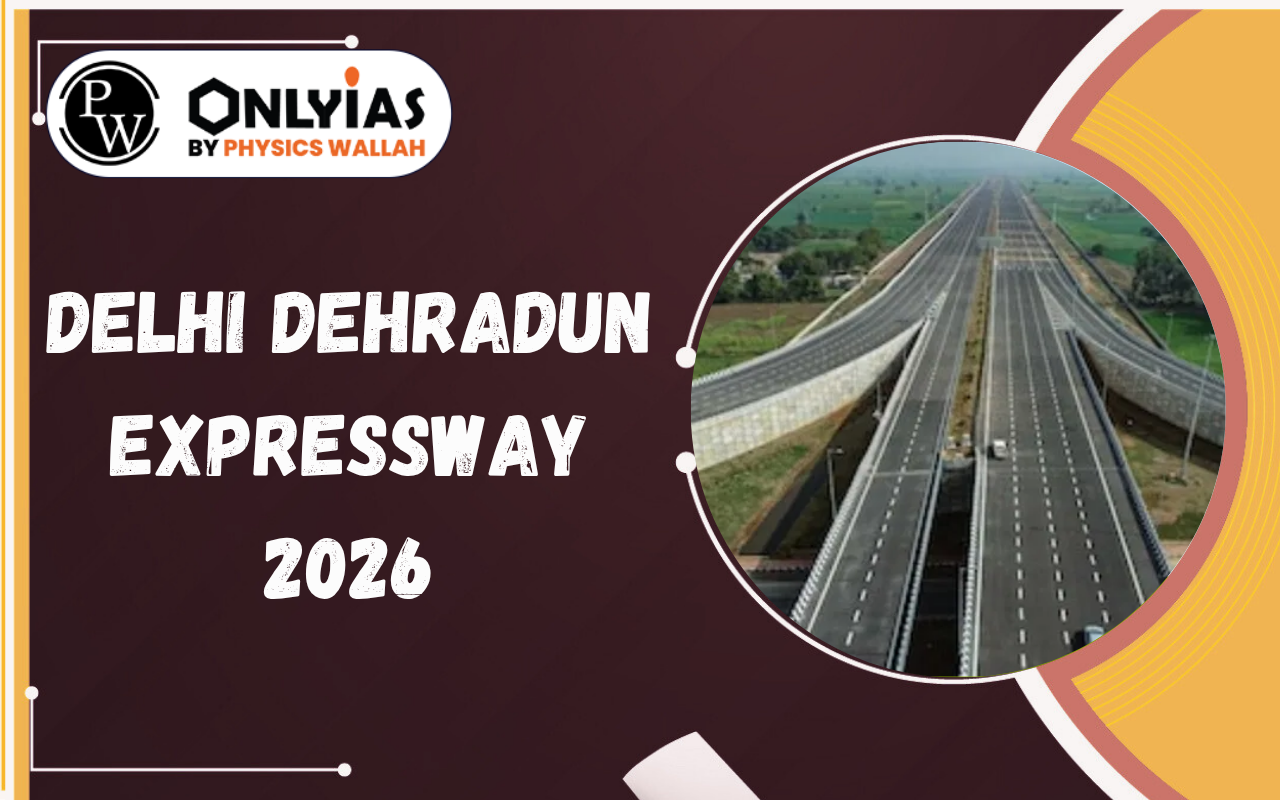
The Delhi Dehradun Expressway, also known as the Delhi Saharanpur Dehradun Expressway, is a transformative infrastructure project aimed at redefining connectivity between the National Capital and Uttarakhand.
Inaugurated by Prime Minister Narendra Modi on April 14, 2026, this high-speed corridor is a lifeline for students, tourists, and businesses alike. Formally recognized as the Delhi Dehradun Economic Corridor, it integrates modern engineering with environmental conservation, reducing the distance between the two cities by nearly 40 km and making hill travel safer and more efficient.
Built with an investment of approximately ₹12,000 crore, this project is designed to handle high-speed traffic while bypassing congested urban hubs in Western Uttar Pradesh.
| Delhi Dehradun Expressway Overview | |
| Feature | Details |
| Official Name | Delhi-Saharanpur-Dehradun Economic Corridor |
| Total Length | Approximately 213 km |
| Number of Lanes | 6 lanes (expandable to 8) |
| Starting Point | Akshardham Temple, Delhi |
| Ending Point | Asharodi, Dehradun |
| Key States Covered | Delhi, Uttar Pradesh, and Uttarakhand |
The Delhi Dehradun Expressway route has been developed in four strategic phases to ensure a seamless transition from urban Delhi to the Shivalik hills.
The most significant benefit of this project is the drastic reduction in Delhi to Dehradun travel time. Previously, commuters had to navigate the congested NH-58, taking 6 to 7 hours.
The reduction in travel time is achieved through the Delhi Dehradun expressway length being shorter (213 km vs. the old 250 km) and the elimination of traffic signals and city bottlenecks.
The expressway is a model for sustainable development. A 12-km stretch near Dehradun is Asia’s longest elevated wildlife corridor.
For students travelling for competitive exams or those enrolled in prestigious institutions like IIT Roorkee or various universities in Dehradun, the expressway provides:
Check Out UPSC CSE Books
Visit PW Store
The Delhi Dehradun Expressway length is approximately 213 km.
The expressway was fully inaugurated on April 14, 2026, though Phase 1 (Delhi to Baghpat) was opened for trials earlier in late 2025.
Yes, a dedicated six-lane spur (link road) connects the main corridor to Haridwar, facilitating faster travel for pilgrims.
The expressway is designed for a top speed of 100-120 km/h for light vehicles, though specific limits may vary in forest zones.
Yes, the expressway uses a 100% FASTag-based electronic tolling system to ensure vehicles do not have to stop at booths.






Connect with our experts to get free counselling & start preparing
Join India’s trusted platform for expert guidance, quality content, proven success.
Learn anytime, anywhere.



India's leading UPSC coaching platform helping aspirants prepare for IAS, IPS, IFS and other Civil Services examinations with the best faculty and proven strategies.
<div class="new-fform">
</div>