Books

Dress Code for IAS Officers guides professional attire and decorum. While there is no fixed uniform, men wear formal shirts, trousers, and closed-collar coats, and women wear sarees, salwar suits, or Western formal wear. On-duty officers must avoid black sunglasses, maintain eye contact, and follow unwritten protocols. While off-duty, clothing is flexible.
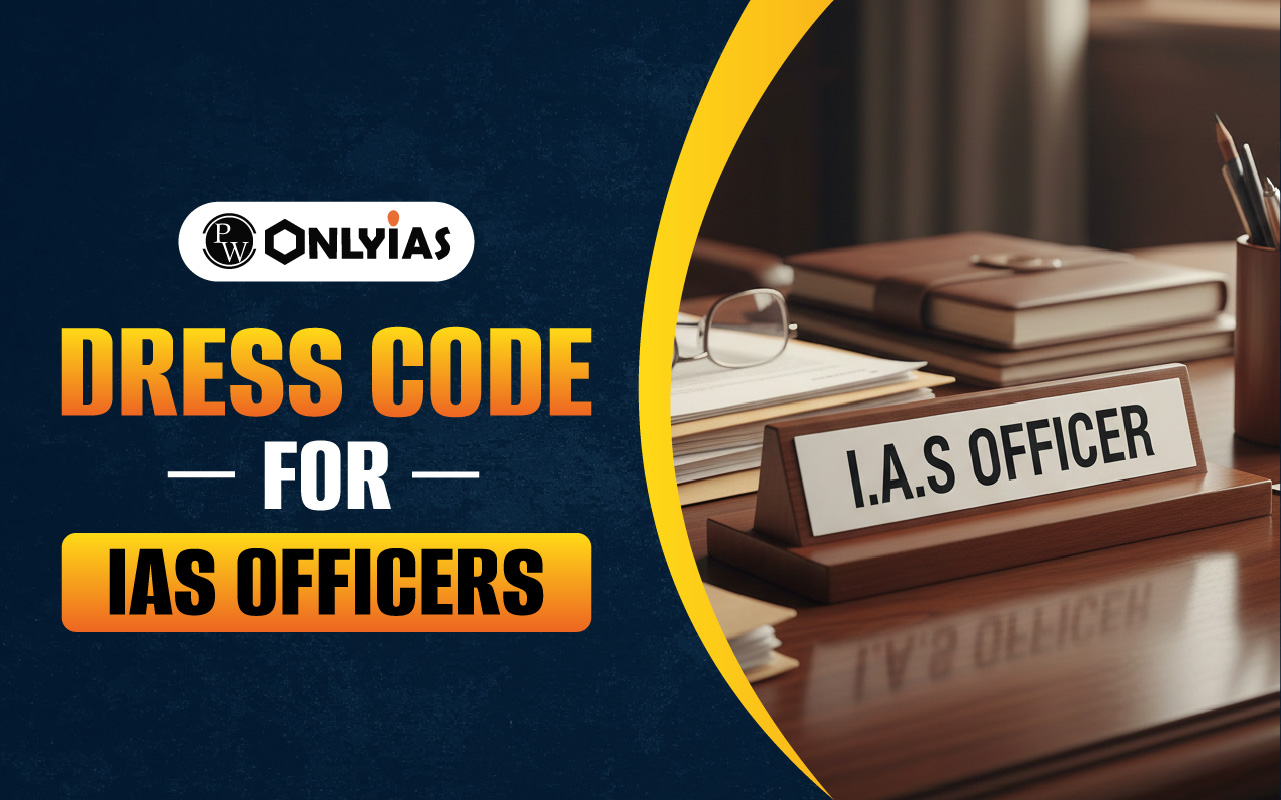
Dress Code for IAS Officers has recently gained attention due to controversies around formal attire and social media posts. While many people assume that civil servants have a strict uniform, IAS officers follow unwritten protocols instead of fixed regulations. Understanding what is the dress code for IAS officers helps clarify expectations and highlights the importance of professional decorum in official interactions.
Here, we explain the attire guidelines, common practices, historical background, and why certain rules exist for Indian civil servants.
Unlike the military or judiciary, IAS officers do not have a written law specifying their clothing. Their attire is guided by professional decorum, the situation, and the occasion.
In official meetings, officers are expected to present themselves with dignity. Clothing choices must reflect the seriousness of their role and respect for the office. While off-duty clothing is a personal matter, on-duty appearances must follow professional norms.
Many people wonder, do IAS officers wear uniform in India? The answer is no. Unlike police or military personnel, civil servants do not have a fixed uniform. Instead, they follow situational and traditional dress codes based on the type of event or meeting.
Recommended formal attire ensures officers maintain professional standards. Men typically wear formal shirts, trousers, and closed-collar coats. Women may choose sarees, salwar suits, or Western formal wear such as a blazer with a long skirt.
The question why do IAS/IFS officers not have a uniform on duty arises frequently. Historically, during British rule, Indian civil servants wore formal European-style clothing similar to British officers. After independence, IAS officers were allowed to choose between traditional Indian clothing and Western formal wear.
This flexibility allows officers to adapt to local culture, climate, and the nature of the event. However, formal attire remains essential during high-level official meetings with dignitaries such as the Prime Minister or President.
While IAS officers do not have a fixed uniform, certain formal attire is recommended for official meetings and events. Following these guidelines helps maintain professional decorum and respect for protocol.
Formal attire is necessary for important events. This includes official meetings, public functions, or court appearances.
For daily office duties, the dress code is more relaxed. However, professionalism remains paramount.
Attire also depends on the climate.
IAS officers have freedom of dress off duty. However, on duty, strict decorum is expected. Social media activity that violates dress norms is discouraged. Officers should avoid posting casual images in uniform or formal attire that may be seen as inappropriate.
Guidelines emphasize that on-duty officers must maintain the dignity of their office and avoid casual conduct that undermines professional appearance.
Eye contact is a crucial part of communication during official meetings. Wearing dark sunglasses blocks eye contact and can be perceived as disrespectful. Proper attire and accessories help convey attentiveness, confidence, and professionalism.
This is why controversies arise when IAS officers wear informal accessories like black sunglasses during meetings with high-ranking officials.
Check Out UPSC CSE Books
Visit PW Store
While civil servants do not have a written uniform, they are expected to maintain a strong sense of dress appropriate to their rank and situation.
Ready to boost your UPSC 2026 preparation? Join PW’s UPSC online courses today!
Explore UPSC Test Series

No, there is no formal written dress code. Officers follow decorum and situational dressing norms.
Black or fancy sunglasses are prohibited as they block eye contact and violate protocol.
Closed-collar black coat (Jaipuri suit), formal shirt, and black shoes.
Yes, sarees, salwar suits, or Western-style blazers with long skirts are accepted.
No, they follow professional dress protocols rather than a fixed uniform.



Explore SRIJAN Prelims Crash Course


Connect with our experts to get free counselling & start preparing
Books
Udaan (Prelims Wallah)
Prahaar (Mains Wallah)
Q&A Bank (Prelims & Mains)
Budget & Economic Survey
NCERT Wallah
Marks Booster
हिंदी माध्यम विशेष शृंखला
 Current Affairs
Monthly Current Wallah
Subject Wise Current Affairs
Editorial Analysis
Editorial PDFs
News of The Day
Download Our App



Download Our App
<div class="new-fform">
</div>

 GS Foundation
 Optional Course
 Combo Courses
 Degree Program