Books

Income Tax Act 2025 reforms introduced in Budget 2026-27 focus on simplifying compliance through key changes effective April 1, 2026. This synopsis outlines major shifts in share buyback taxation, revised TCS rates for remittances, and updated STT for market transactions. It also highlights the reduction of the MAT rate to 14% for companies moving to the new tax regime.
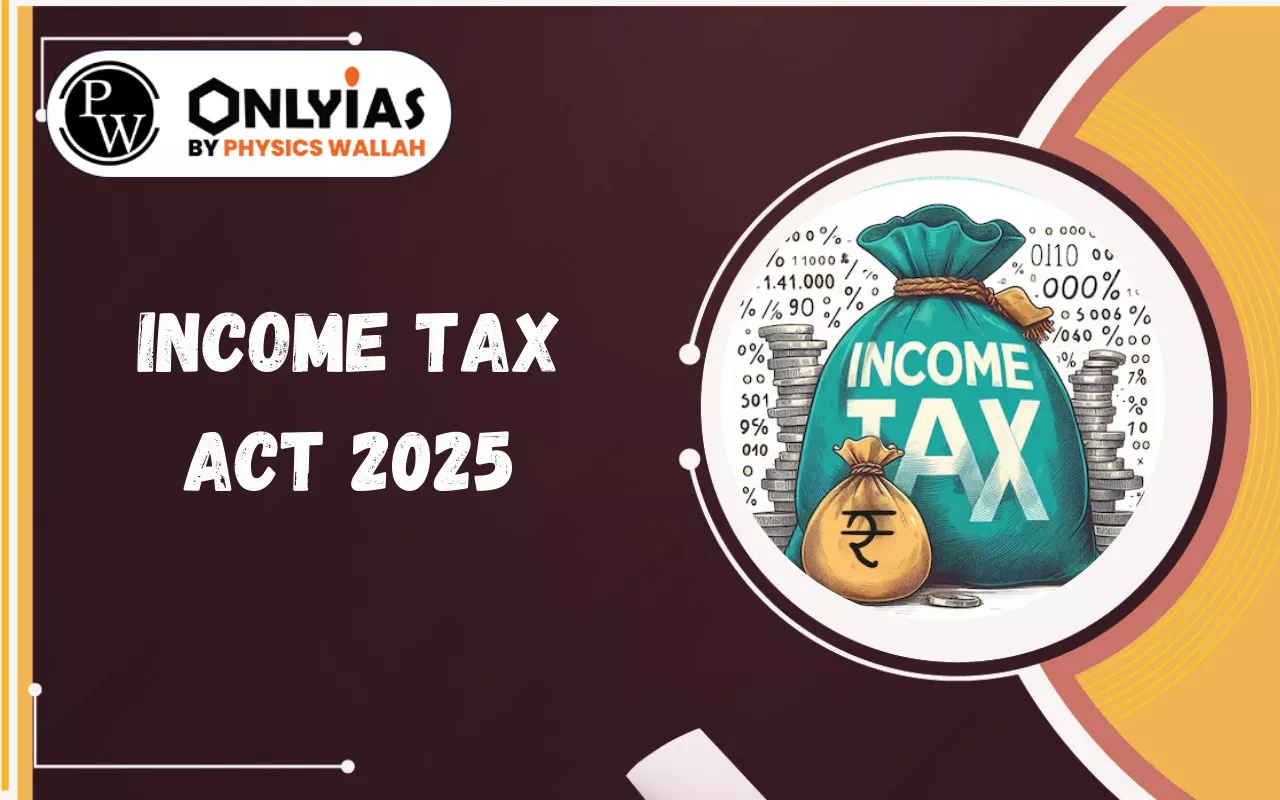
Income Tax Act 2025 is set to transform the Indian direct tax landscape starting April 1, 2026, by replacing the six-decade-old 1961 law with a modern, simplified framework. Introduced in the Union Budget 2026-27, this revenue-neutral reform focuses on clarity and ease of compliance rather than changing existing tax slabs.
By nearly halving the number of sections and introducing a single “Tax Year” concept, the new Act aims to reduce litigation and make filing easier for ordinary citizens. Here, we break down the major shifts from new buyback rules for promoters and higher STT on speculative trading to the rationalised TCS rates and the updated 14% MAT final tax rate.
The Income Tax Act 2025 represents significant Direct Tax Reforms 2026 in India. These notes outline Budget 2026 tax proposals. It is very important for everyone from individual earners to large companies—to get a handle on these new rules so they can plan their finances better. The act aims for simpler understanding and improved compliance. It is designed to be revenue-neutral, not altering tax slabs or rates.
India is transitioning toward a more modern and digitized fiscal framework designed to reduce the complexity of direct taxation. This comprehensive reform aims to move away from archaic legal jargon to a more user-centric system that fosters trust and voluntary transparency.
The new system goes live on April 1, 2026. It replaces the old ways of doing things with a much more straightforward approach for taxpayers. This new law replaces the decades-old Income Tax Act of 1961. It focuses on clarity and simplicity. The government will soon release easier-to-understand tax rules and shorter forms. These updates are designed to take the guesswork out of filing your taxes. This will give taxpayers enough time to learn its requirements. It aims for better compliance by citizens.
A Joint Committee will form with the Ministry of Corporate Affairs and Central Board of Direct Taxes. Its goal is to integrate Income Computation and Disclosure Standards (ICDS) into Indian Accounting Standards (IndAS). Separate accounting for ICDS will cease from the tax year 2027-28. The definition of “accountant” for Safe Harbour Rules will also be rationalized. These tax administration reforms India aim to support growth for local advisory firms.
These proposals cover various aspects of the new income tax bill 2025. They aim to simplify tax structures and prevent misuse of rules.
MAT credit set-off is now allowed only for companies moving to the new tax regime. Companies can set off up to 1/4th of their tax liability using available MAT credit. From April 1, 2026, MAT becomes a final tax. Its rate is reduced to 14% from the current 15%. Accumulated MAT credit until March 31, 2026, remains available for set-off.
The 2025 reforms introduce strategic shifts in how capital market transactions are treated to ensure horizontal equity among different classes of investors. By restructuring the tax triggers for buybacks and market speculation, the Act seeks to align India’s fiscal policy with global standards of efficiency and transparency.
The income tax act 2025 simplifies how share buybacks are taxed. All shareholders now face Capital Gains tax. This makes the system more uniform. Promoters pay extra tax to deter inappropriate practices. This approach reduces tax arbitrage opportunities.
The Securities Transaction Tax increase impacts capital markets. Higher STT raises transaction costs for traders, especially those dealing in Futures and Options. This aims to balance market activity with financial stability. It reflects efforts to regulate speculative trading more closely.
Ready to boost your UPSC preparation? Join PW’s UPSC online courses today!
Explore UPSC Test Series

The Income Tax Act 2025 will come into effect from April 1, 2026.
Its main goal is to simplify the tax regime and improve compliance through clarity and user-friendly forms.
Share buybacks are now taxed as Capital Gains for all shareholders. Promoters will pay an additional buyback tax.
TCS on scrap and minerals is 2%. LRS remittances for education/medical treatment are 2%, for others 20%.
From April 1, 2026, the Minimum Alternate Tax (MAT) rate is reduced to 14%.



Explore SRIJAN Prelims Crash Course


Connect with our experts to get free counselling & start preparing
Books
Udaan (Prelims Wallah)
Prahaar (Mains Wallah)
Q&A Bank (Prelims & Mains)
Budget & Economic Survey
NCERT Wallah
Marks Booster
हिंदी माध्यम विशेष शृंखला
 Current Affairs
Monthly Current Wallah
Subject Wise Current Affairs
Editorial Analysis
Editorial PDFs
News of The Day
Download Our App



Download Our App
<div class="new-fform">
</div>

 GS Foundation
 Optional Course
 Combo Courses
 Degree Program