Books

International Nelson Mandela Day 2025 was observed on July 18, promoting the theme “It’s still in our hands.” International Nelson Mandela Day 2025 urges us to fight poverty and inequality.
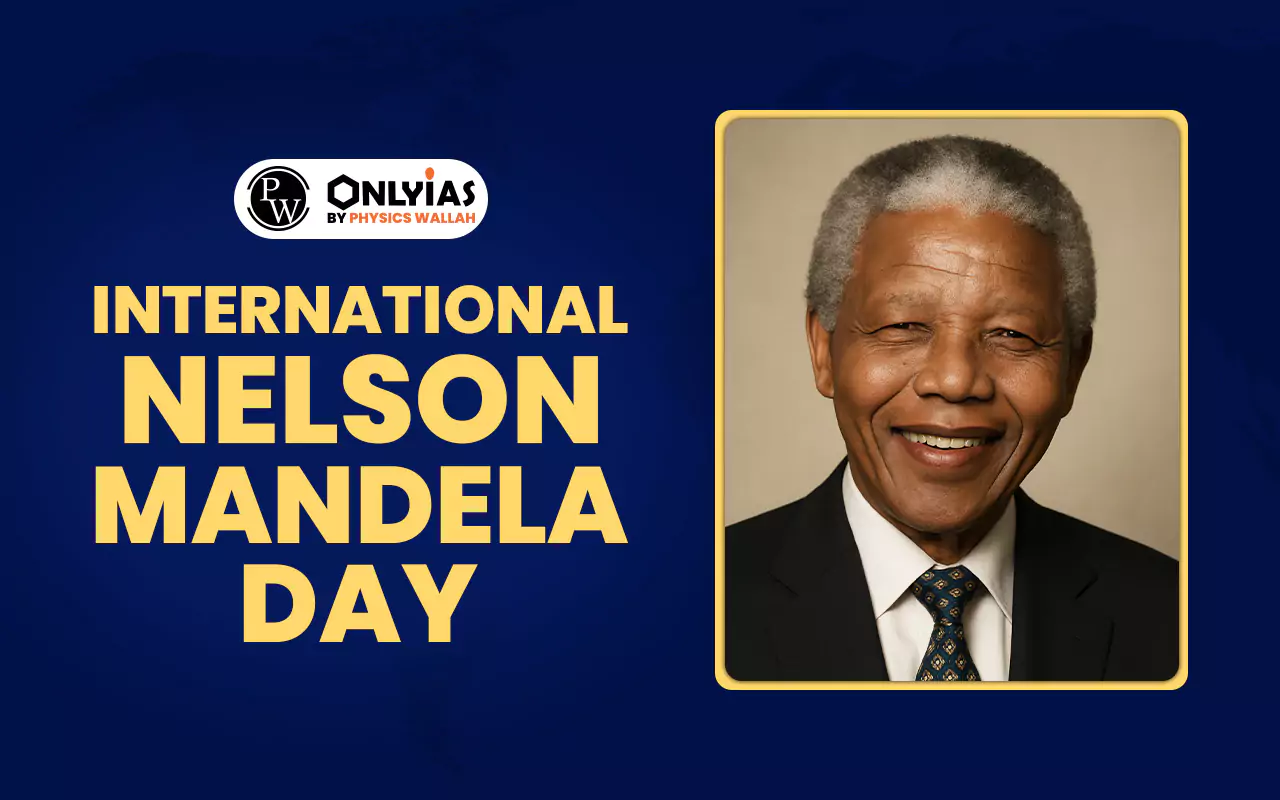
International Nelson Mandela Day 2025, celebrated annually on 18 July, commemorates the enduring legacy of one of the world’s most iconic human rights leaders. This global observance encourages every individual to embody Nelson Mandela’s values (justice, peace, service, and unity) by dedicating time to making a positive difference in their communities. International Nelson Mandela Day 2025 is themed “It’s still in our hands to combat poverty and inequity”, echoing Mandela’s famous words: “It is in your hands to make our world a better one for all, especially the poor, vulnerable and marginalised.”
Interesting Facts About Nelson Mandela Day
|
|---|
List Of International National Days 2025 Month-Wise List
International Nelson Mandela Day is a global observance held every year on July 18th, honouring the life, values, and legacy of Nelson Mandela, former President of South Africa and global advocate for peace, justice, and equality. The day encourages individuals to take action and inspire change by dedicating 67 minutes of service to their community, symbolising Mandela’s 67 years of service to humanity.
International Nelson Mandela Day 2025 was observed on Friday, 18 July 2025, and is centred around the theme “It’s still in our hands to combat poverty and inequity.” This year’s campaign emphasises taking responsibility to address inequality and poverty at individual and community levels, upholding Mandela’s enduring legacy of service, reconciliation, and social transformation.
| International Nelson Mandela Day 2025 Overview | |
| Attribute | Details |
| Occasion | International Nelson Mandela Day 2025 |
| Date | Friday, 18 July 2025 |
| Day of the Week | Friday |
| Purpose | To honour the legacy of Nelson Mandela by promoting peace, justice, and equality |
| Declared By | United Nations General Assembly (Resolution 64/13) |
| First Observed | 18 July 2010 |
| Observed In | Globally |
| Mandela Day Theme 2025 | “It’s still in our hands to combat poverty and inequity.” |
| Key Activities | 67 Minutes of Service, Community Outreach, Volunteering, Education Drives |
| Mandela Prize 2025 Recipients | Brenda Reynolds (Canada), Kennedy Odede (Kenya) |
The Nelson Mandela Day theme 2025, “It’s still in our hands to combat poverty and inequity”, calls on global citizens to reflect on systemic inequalities and take meaningful action.
This year, International Nelson Mandela Day 2025 emphasises sustainable action to address poverty, inequality, and climate change. Mandela’s words ring loud: “It is in your hands to make our world a better one for all, especially the poor, vulnerable and marginalised.”
To understand Nelson Mandela Day, one must ask: who is Nelson Mandela? Born on 18 July 1918 in Mvezo, South Africa, Nelson Rolihlahla Mandela was a revolutionary, political leader, and philanthropist. A determined opponent of apartheid, Mandela spent 27 years in prison for his anti-racist activism. Upon his release in 1990, he led negotiations that dismantled apartheid and ushered in democratic rule. In 1994, he became South Africa’s first Black President, embodying the ideals of reconciliation over retribution.
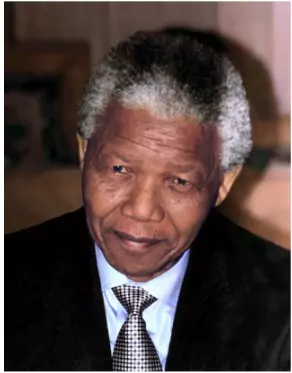
Source: Wikipedia
The Nelson Mandela biography is a testament to perseverance and sacrifice. Raised in the Thembu royal family, Mandela was deeply influenced by African customs and the oral histories of resistance he heard as a child. His early life involved studying at Fort Hare University and later the University of Witwatersrand, though his education was interrupted by activism.
Mandela was expelled from university for protesting. He fled to Johannesburg, where he joined the African National Congress (ANC) and co-founded the ANC Youth League in 1944 and led civil disobedience campaigns against oppressive laws. His involvement in establishing South Africa’s first black law firm, Mandela & Tambo, was a significant milestone in his fight for justice.
From his courageous stand during the Rivonia Trial, where he declared, “I am prepared to die”, to his 27 years in prison, and ultimately, his presidency in 1994, Nelson Mandela’s biography is a chronicle of resilience, sacrifice, and dignity.
Nelson Mandela early life began in the village of Mvezo in South Africa’s Eastern Cape. Born on 18 July 1918 into the Madiba clan, he was raised in Qunu after his father’s death. His formative years were influenced by traditional African values and the oral histories of resistance shared by village elders. Originally named Rolihlahla, he received the name “Nelson” from a teacher at his primary school—a common colonial-era practice.
Nelson Mandela’s education journey started at Clarkebury Boarding Institute and later at Healdtown, a Wesleyan secondary school. He enrolled at the University College of Fort Hare but was expelled for participating in a student protest. He later completed his BA through the University of South Africa and pursued a law degree at the University of the Witwatersrand. Despite interruptions, he finally earned an LLB degree in 1989 while still imprisoned.
Nelson Mandela’s struggle for freedom began in earnest when he joined the African National Congress (ANC) in 1944 and co-founded its Youth League. He organised the Defiance Campaign in 1952 and was arrested multiple times. His activism led to the formation of Umkhonto we Sizwe, the ANC’s armed wing. In 1964, during the Rivonia Trial, he delivered his historic “I am prepared to die” speech, earning a life sentence. He spent 27 years in prison, becoming the global face of resistance to apartheid.
After his release in 1990, Nelson Mandela’s political career gained historic momentum. He led negotiations to end apartheid and bring multiracial democracy to South Africa. In 1994, he was elected as South Africa’s first Black President, serving one term until 1999. He focused on reconciliation, nation-building, and the creation of the Truth and Reconciliation Commission. He also founded multiple charitable organizations, including the Nelson Mandela Children’s Fund and the Nelson Mandela Foundation.
Nelson Mandela passed away on 5 December 2013 at the age of 95 in Johannesburg. His death marked the end of an era but also ignited a worldwide celebration of his life. Leaders, citizens, and organizations across the globe paid tribute to his unwavering commitment to justice, freedom, and equality. His legacy continues through Nelson Mandela Day, global humanitarian efforts, and the enduring power of his words and actions.
Mandela famously stated, “I learned that courage was not the absence of fear, but the triumph over it.” For him, courage meant standing firm for equality despite fear, oppression, and isolation. His defiant stand during the Rivonia Trial in 1964, where he proclaimed he was “prepared to die” for his ideals, redefined courage for generations to come.
The UN General Assembly declared 18 July as Nelson Mandela International Day in 2009 (Resolution 64/13), with observance beginning in 2010. This followed the Nelson Mandela Foundation’s initiative, which began inviting the world to observe a day of action rather than celebration.
Nelson Mandela Month 2025 spans the entire month of July, amplifying efforts to fight poverty, promote literacy, improve health access, and combat climate change. Government bodies, NGOs, and individuals use this period to launch sustainable projects reflecting Mandela’s ideals.
Nelson Mandela’s life was marked by a persistent commitment to justice, equality, and reconciliation. His journey from political prisoner to global statesman left a profound legacy that reshaped not only South Africa but also inspired movements for justice and democracy around the world.
These Nelson Mandela achievements redefined leadership and continue to serve as a moral compass for people and governments worldwide.
Mandela’s global reputation as a champion of peace and equality earned him numerous accolades. He became one of the most decorated global figures in modern history, with tributes from nations across the ideological and geographical spectrum.
These Nelson Mandela awards reflect his universal appeal and enduring influence in the realms of diplomacy, justice, and human rights.
To commemorate International Nelson Mandela Day 2025, the United Nations will bestow the Nelson Mandela Prize on two outstanding individuals. The prize, awarded every five years, honours those who embody Mandela’s principles of humility, service, and leadership.
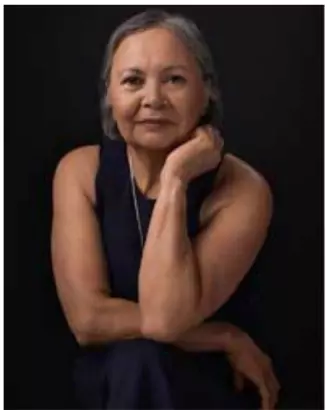
Source: un.org
 Source: un.org
Established in 2015, the Nelson Mandela Prize recognises individuals who exemplify the values Mandela lived by—service to humanity, dignity, and transformation through compassion.
As we mark International Nelson Mandela Day 2025, let us recommit to the path Mandela illuminated: justice over revenge, service over self-interest, and unity over division. Whether it’s planting a tree, mentoring a youth, or supporting food drives, every action—big or small—builds toward a better world.
Ready to boost your UPSC 2025 preparation? Join PW’s UPSC online courses today!
Explore UPSC Test Series

The Nelson Mandela International Day is observed annually on 18 July, commemorating Nelson Mandela’s birthday.
Nelson Mandela Day is celebrated to honour Nelson Mandela's achievements in promoting peace, justice, and equality through service to humanity.
The Nelson Mandela Day theme for 2025 is “It’s still in our hands to combat poverty and inequity”, urging action against injustice.
Nelson Mandela defined courage as not the absence of fear, but the triumph over it—a lesson rooted deeply in his struggle for freedom and justice.
The Mandela Month 2025 theme aligns with the Day: “It’s still in our hands to combat poverty and inequity,” promoting community upliftment and equality.



Explore SRIJAN Prelims Crash Course


Connect with our experts to get free counselling & start preparing
Books
Udaan (Prelims Wallah)
Prahaar (Mains Wallah)
Q&A Bank (Prelims & Mains)
Budget & Economic Survey
NCERT Wallah
Marks Booster
हिंदी माध्यम विशेष शृंखला
 Current Affairs
Monthly Current Wallah
Subject Wise Current Affairs
Editorial Analysis
Editorial PDFs
News of The Day
Download Our App



Download Our App
<div class="new-fform">
</div>

 GS Foundation
 Optional Course
 Combo Courses
 Degree Program