Books

Akbar’s court was famed for the Navratnas (Nine Gems): Abul Fazl, Faizi, Tansen, Birbal, Raja Todar Mal, Raja Man Singh, Abdul Rahim Khan-i-Khana, Fakir Aziao-Din, and Mulla Do-Piyaza. These exceptional scholars, artists, administrators, and military leaders played a crucial role in shaping Mughal governance, culture, and religious tolerance, leaving a lasting impact on Indian history.
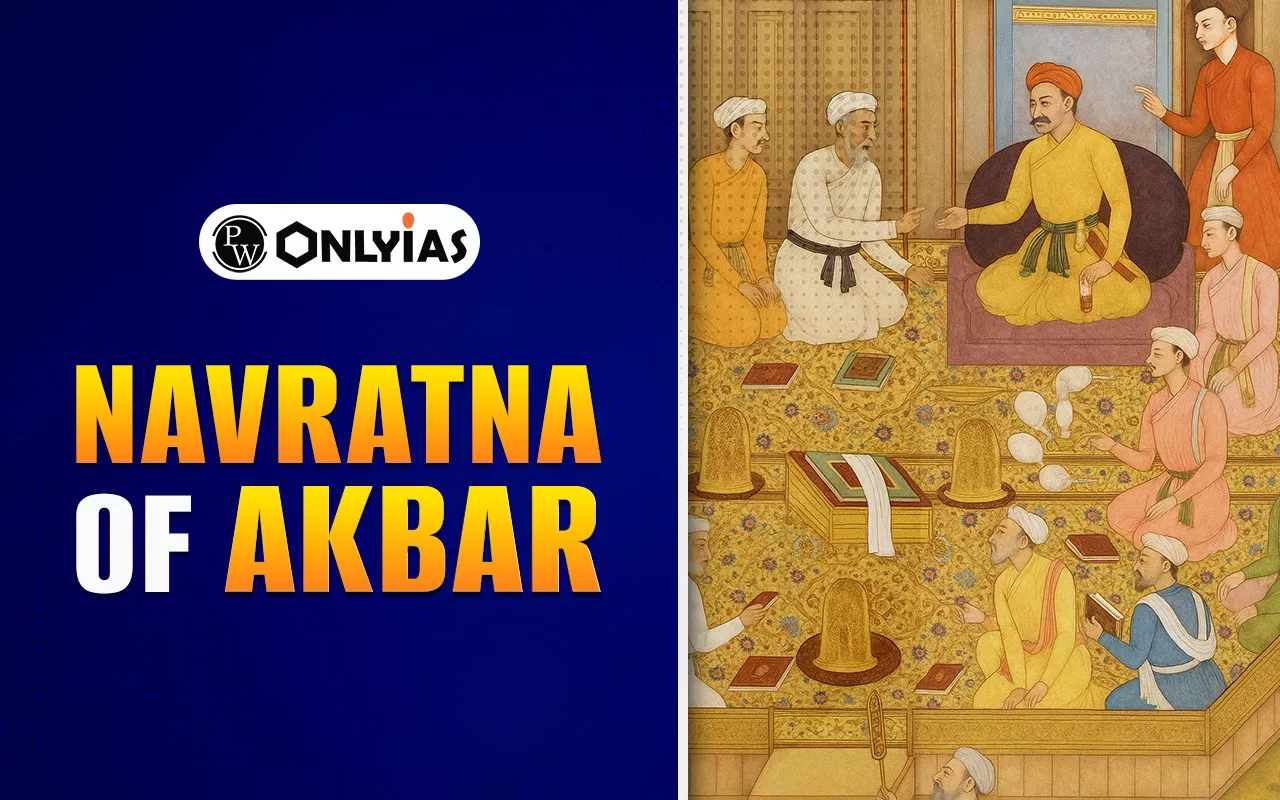
Navratna of Akbar, also known as the 9 Jewels or Gems were nine distinguished individuals in his court. They excelled in diverse fields like administration, literature, music, and military strategy. These eminent figures played a crucial role in strengthening the Mughal Empire, as their combined expertise shaped its governance, economy, and cultural life.
Their contributions left a profound and lasting impact on Indian history during Akbar’s reign. Read on to learn more about them.
The Navratna of Akbar was a council of nine talented individuals who served Emperor Akbar, bringing expertise in areas like politics, arts, and finance. This group, also known as the “Nine Jewels of Akbar’s Court,” played a crucial role in his reign.
Their collective skills helped in effective administration and cultural enrichment of the Mughal Empire. Here are the names of the 9 jewels of akbar court:
| Navratna Name | Contribution |
| Abul Fazl | Chief advisor, historian, author of Akbar Nama and Ain-i-Akbari. |
| Faizi | Poet laureate, scholar, translated Sanskrit works like “Lilavati.” |
| Tansen | Renowned musician, created new ragas, founded Gwalior Gharana. |
| Birbal | Wise and witty advisor, Foreign Minister. |
| Raja Todar Mal | Finance Minister, reformed revenue system (“Todarmal’s Bandobast”). |
| Raja Man Singh | Chief of Staff of Akbar’s army, a key general in battles. |
| Abdul Rahim Khan-I-Khana | Defence Minister, renowned poet (dohas), translated Baburnama. |
| Fakir Aziao-Din | Prominent Sufi mystic, religious and spiritual advisor. |
| Mulla Do Piyaza | Home Minister, known for his intelligence and wit. |
The Navratnas of Akbar were renowned for their remarkable talents and significant contributions. They excelled in diverse fields such as administration, arts, and literature. Their wisdom and skills played a significant role in strengthening the cultural and administrative development of the Mughal Empire.
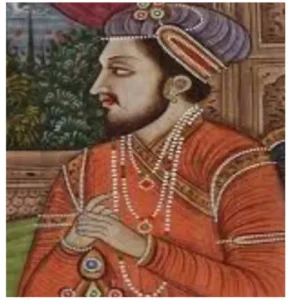
Abul Fazl was a renowned writer, historian, and statesman and the chief advisor to Emperor Akbar. He developed the theory of Padshahat, which emphasized the emperor’s moral and divine responsibility to rule justly.
He authored the Akbarnama and Ain-i-Akbari, which are invaluable sources on Akbar’s reign, administration, and ideology.
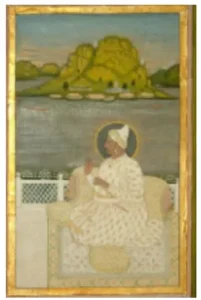
Raja Todar Mal was Akbar’s most important finance and revenue administrator. He introduced major reforms in the Mughal land revenue system, known as Todar Mal’s Bandobast (or Zabt system), based on detailed land measurement and a ten-year average of crop yields.
His reforms brought efficiency, fairness, and stability to Mughal taxation. Persian continued as the official administrative language during his tenure.
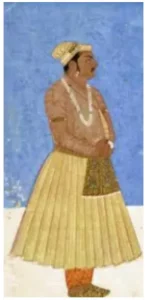
Birbal, originally named Mahesh Das, was a close courtier of Akbar, famous for his wit, intelligence, and wisdom. He was one of Akbar’s most trusted advisors and a talented poet. Birbal’s clever anecdotes are widely popular in Indian folklore and reflect moral lessons and sharp reasoning.
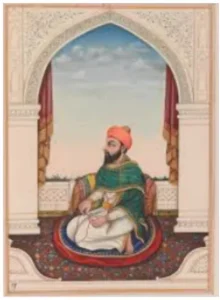
Fakir Aziao-Din was a respected Sufi mystic and spiritual advisor at Akbar’s court. He played an important role in shaping Akbar’s ideas on religious tolerance and harmony, encouraging dialogue among different faiths and supporting Akbar’s inclusive policies.
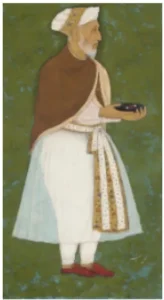
Abdul Rahim Khan-i-Khana was a distinguished noble, military commander, scholar, and poet. He translated Babur’s memoirs (Baburnama) from Turkish into Persian. He is especially admired for his Hindi dohas, which convey deep ethical and philosophical meanings. He also wrote on subjects such as astrology.
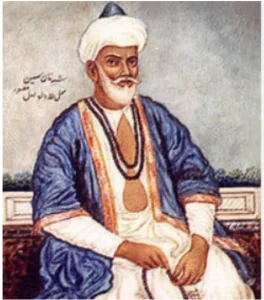
Faizi was a prominent poet and scholar and served as the poet laureate of Akbar’s court. He translated several important Sanskrit works into Persian, including Bhaskaracharya’s Lilavati. Faizi also contributed to Akbar’s intellectual and educational initiatives and mentored royal princes.
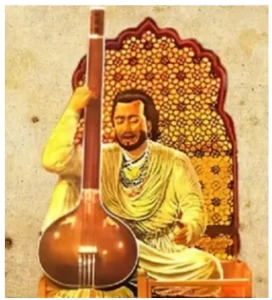
Tansen, also known as Ramtanu, was one of the greatest Hindustani classical musicians in Indian history. He served in Akbar’s court and composed several celebrated ragas, including Raga Darbari. He is closely associated with the Gwalior musical tradition and had a lasting influence on Hindustani classical music.
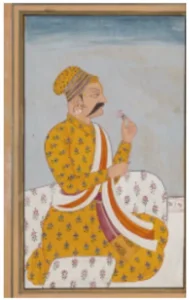
Raja Man Singh, the Maharaja of Amber, was one of Akbar’s most capable generals and military commanders. He served as a senior leader of the Mughal army and played a major role in the expansion and consolidation of the Mughal Empire. He commanded Mughal forces in important campaigns, including the Battle of Haldighati.
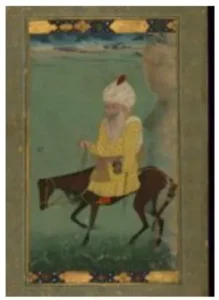
Mulla Do-Piyaza is traditionally described as a witty and intelligent courtier of Akbar. He is remembered for his sharp humor and clever exchanges in court anecdotes. However, many historians consider him a semi-legendary or folkloric figure, with limited historical evidence confirming his role.
Check Out UPSC CSE Books
Visit PW Store
The Navratna of Akbar had a transformative impact on the Mughal Empire. They significantly shaped administration, culture, and military strength. These nine distinguished individuals were chosen for their exceptional skills. Their collective expertise strengthened Akbar’s rule.
To remember their names easily, use the following memory trick:
In summary, the 9 jewels of Akbar’s court played a key role in the Mughal Empire. Abul Fazl gave political counsel, while Tansen provided musical brilliance. Raja Todar Mal implemented significant administrative reforms, and military leaders like Raja Man Singh and Abdul Rahim Khan-i-Khana expanded the empire’s territories.
Together, their combined efforts left a lasting legacy of cultural advancement, efficient administration, and religious tolerance.
Ready to boost your UPSC 2026 preparation? Join PW’s UPSC online courses today!
Explore UPSC Test Series

The Navratna of Akbar were nine eminent individuals in his court, known for their diverse talents.
'Navratna' translates to 'Nine Gems,' representing a group of distinguished advisors.
Tansen, a renowned classical musician, was famous for his exceptional musical talent.
Raja Todar Mal served as the Finance Minister and reformed the revenue system.
Abul Fazl was a chief advisor and historian, known for writing the Akbar Nama.



Explore SRIJAN Prelims Crash Course


Connect with our experts to get free counselling & start preparing
Books
Udaan (Prelims Wallah)
Prahaar (Mains Wallah)
Q&A Bank (Prelims & Mains)
Budget & Economic Survey
NCERT Wallah
Marks Booster
हिंदी माध्यम विशेष शृंखला
 Current Affairs
Monthly Current Wallah
Subject Wise Current Affairs
Editorial Analysis
Editorial PDFs
News of The Day
Download Our App



Download Our App
<div class="new-fform">
</div>

 GS Foundation
 Optional Course
 Combo Courses
 Degree Program