Books

UPSC has introduced face authentication for candidate verification to make examinations more secure and fair. Under this system, a candidate’s live facial image is matched with the photograph submitted during the online application. This digital verification system works along with existing checks like admit card and ID proof. The new step reduces impersonation, strengthens exam security, and reflects UPSC’s growing use of technology in examinations.
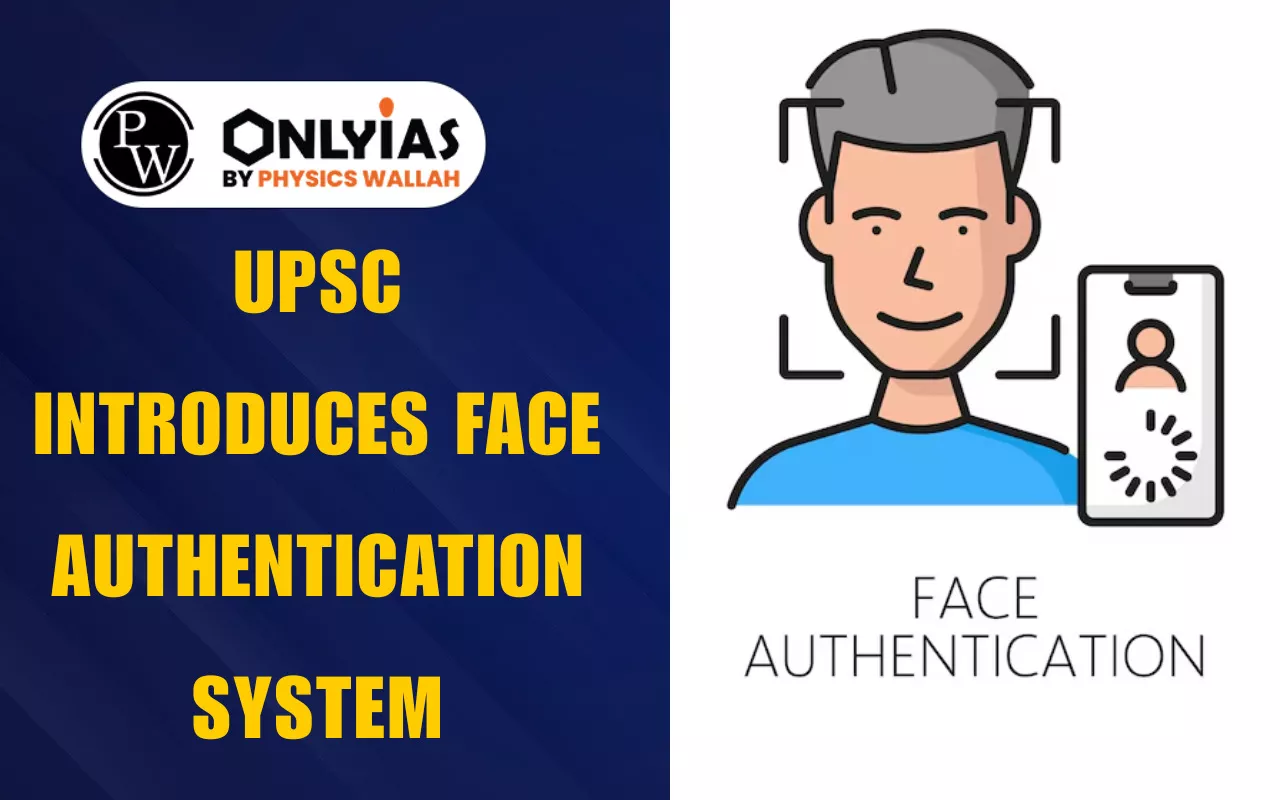
Union Public Service Commission has taken an important step to improve exam security by introducing face authentication for candidate verification. This move is part of ongoing UPSC identity verification reforms aimed at ensuring that only genuine candidates appear for examinations. With the growing number of applicants and increasing cases of impersonation in competitive exams, UPSC has decided to use modern technology to protect the fairness and credibility of its exam process.
UPSC face authentication system is a biometric-based verification method that uses facial recognition technology. It confirms the identity of candidates at the exam centre by matching their live facial image with official records. This process reduces human error and removes the scope for impersonation.
A pilot program ran in September 2025. It used AI-enabled facial recognition. The program was successful. It swiftly verified candidate identities. Key findings included:
UPSC implemented these measures to ensure exam credibility. Past incidents raised integrity concerns.
UPSC sought bids for a robust biometric verification system. This was detailed in a July 2025 tender. The system includes:
These features of digital steps strengthen the overall UPSC digital verification system.
The process of face authentication in UPSC exams is simple and candidate-friendly. First, candidates show their admit card and valid ID proof, as usual. After this, a camera captures the candidate’s live facial image.
This image is instantly compared with the photograph submitted during the application process. If the match is successful, the candidate is allowed to proceed. If there is a mismatch, further checks may be done by authorities. This digital method makes the UPSC exam authentication process faster and more reliable.
Candidates are advised to upload a clear, recent photograph during application to avoid any issues on exam day.
Check Out UPSC CSE Books
Visit PW Store
The face authentication system offers several advantages.
Ready to boost your UPSC 2026 preparation? Join PW’s UPSC online courses today!
Explore UPSC Test Series

It is a biometric verification method that matches a candidate’s live facial image with the photo submitted during application.
UPSC introduced it to prevent impersonation and strengthen exam security and fairness.
Yes, it has been introduced across all major UPSC examinations.
No, it works along with admit card and ID proof verification.
In case of mismatch, additional verification steps may be taken by exam authorities.



Explore SRIJAN Prelims Crash Course


Connect with our experts to get free counselling & start preparing
Books
Udaan (Prelims Wallah)
Prahaar (Mains Wallah)
Q&A Bank (Prelims & Mains)
Budget & Economic Survey
NCERT Wallah
Marks Booster
हिंदी माध्यम विशेष शृंखला
 Current Affairs
Monthly Current Wallah
Subject Wise Current Affairs
Editorial Analysis
Editorial PDFs
News of The Day
Download Our App



Download Our App
<div class="new-fform">
</div>

 GS Foundation
 Optional Course
 Combo Courses
 Degree Program