Books

Young Bengal Movement was started by Henry Louis Vivian Derozio at Hindu College in the 1820s. It encouraged young Indians to use reason, question blind traditions, and support modern education. Its leaders promoted equality, scientific thinking, and freedom of expression. Though short-lived, it sparked the beginning of the Bengal Renaissance.
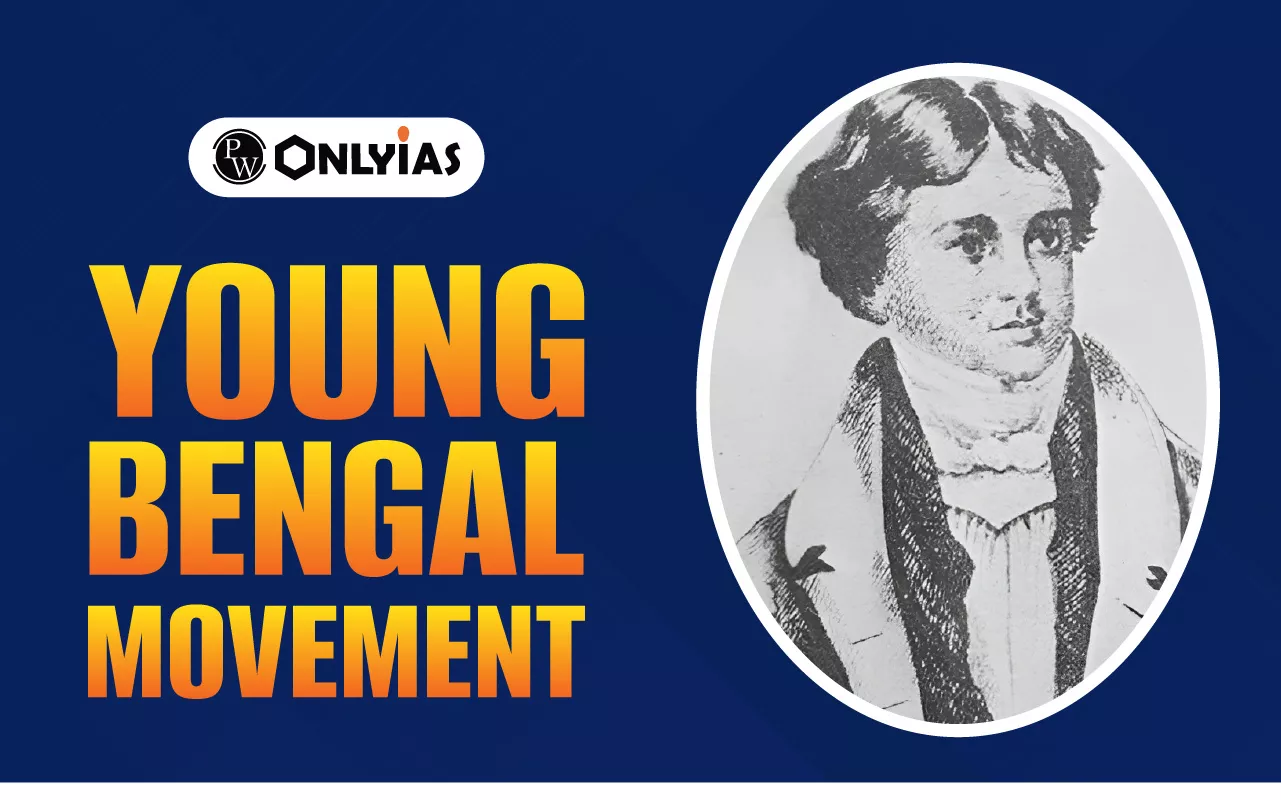
Young Bengal Movement is one of those fascinating chapters in Indian history that not many people talk about even today, but it played a huge role in shaping modern thinking in Bengal and among its people. When you go back to the early 19th century, India was still under British rule, society was full of strict traditions, and questioning old beliefs was almost impossible. But suddenly, a group of young, bold thinkers rose and said, “Why not think differently?”
That spark came from Henry Louis Vivian Derozio, a teacher who inspired an entire generation of students to challenge outdated customs and push society forward to do better day by day.
The Young Bengal Movement was a group of young, energetic, free-thinking students from Hindu College (now Presidency University) in Calcutta during the 1820s and 1830s who wanted change in society. They were deeply inspired by modern ideas like:
Basically, these students wanted to bring a fresh wave of thinking into Indian society. They believed that if the country wanted to move forward, people had to question practices like caste discrimination, idol worship, and superstition.
In simple words, the Young Bengal Movement was all about “thinking for yourself” at a time when most people simply accepted whatever society told them.
The movement was started by Henry Louis Vivian Derozio in the late 1820s.
Although he was only 17 years old when he became a teacher at Hindu College, his energy, clarity, and passion for new ideas inspired hundreds of students to join him for this cause. His teaching style was completely different from others of that time; he believed in society with new thoughts.
Instead of strict, one-way teaching, he encouraged:
This teaching style was very new in India. That is why his students looked up to him with great respect and admiration.
So, in short:
Founder / Starter of Young Bengal Movement: Henry Louis Vivian Derozio
When we talk about the founder of the Young Bengal Movement, there is only one name that is very famous among everyone:
Derozio was a poet, teacher, and radical thinker who wanted a society of better individuals. He was born in 1809 to a mixed Portuguese-Indian family. Even though he lived only for 22 years, his impact on society was enormous.
Some quick facts about him:
Basically, his influence made students confident enough to stand against wrong practices. Although conservative sections of society disliked him, his ideas were strong enough to survive even after his death.
The main objective of the Young Bengal Movement was to bring modern, scientific, rational thinking into Indian society.
They wanted people to rely on logic, not superstition. They encouraged experiments, observations, and evidence-based thinking.
They questioned harmful traditions like caste discrimination, child marriage, and untouchability.
They believed everyone should have the right to speak freely and express their ideas without fear.
They saw education as the main tool to change society. They promoted English because it opened the door to modern knowledge.
The movement wanted the youth to believe in their abilities and become leaders of change in society instead of blindly following old customs that are of no use.
They criticised blind faith and argued for rational religion—religion based on morality and reason, not mindless rituals.
In short, the movement wanted to wake up society from old patterns and push it towards progress.
Apart from Derozio, the movement grew because of his brilliant students. These students became known as the Derozians, and some of them later became major reformers.
Here are the key leaders of the Young Bengal Movement:
Founder and main inspiration behind the movement.
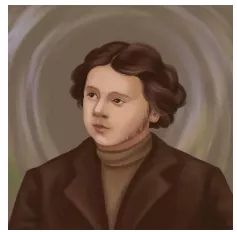
A major leader who later became a famous educator and a reformer in Bengal.
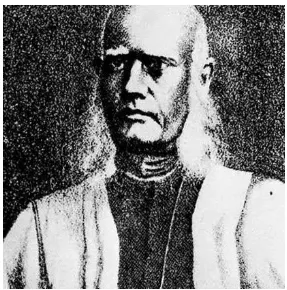
A strong advocate of rationalism and scientific thinking. He also became part of the Bengal Renaissance.
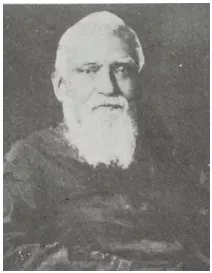
Actively supported reforms in society and promoted English education.
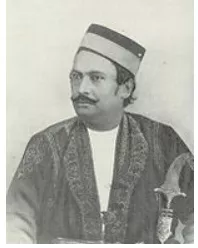
He strongly opposed caste discrimination and spoke openly for social equality.
Another notable member who worked for social and religious reforms.
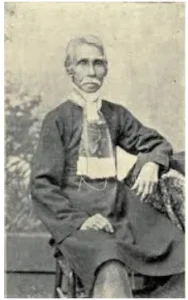
These leaders took Derozio’s teachings beyond the college and spread them across Bengal through writing, debates, public discussions, and educational reforms.
You cannot understand the Young Bengal Movement without knowing Derozio himself. His personality was a perfect mix of passion, knowledge, confidence, and courage.
Imagine a class in 1828 where students are freely arguing with their teacher, raising questions about religion, politics, and society. This was unheard of in India at that time.
But Derozio made it normal.
His classes were filled with:
Even the British teachers at Hindu College were surprised by the confidence and sharpness of Derozio’s students.
Check Out UPSC CSE Books
Visit PW Store
Even though the movement didn’t bring immediate laws or reforms, its influence on Bengal was huge.
Here’s why the movement is important:
It was the first time Indian youth openly questioned social evils.
The movement inspired later reformers like Raja Ram Mohan Roy, Ishwar Chandra Vidyasagar, and others.
The habit of reading, debating, and discussing ideas became strong in Bengal.
Although the Derozians did not directly work on women’s reforms, their rational thinking inspired the next generation to fight for women’s rights.
They openly criticised the caste system, which was a very daring move at that time.
Their thinking encouraged Indians to imagine a future based on equality, justice, and rational thought.
Like every strong idea, this movement, i.e, the Young Bengal movementalso faced criticism.
Some people felt they blindly followed European ideas.
They talked a lot about reforms but did not organise large-scale movements so that people could understand exactly what was happening.
Their ideas were ahead of their time, so common people didn’t accept them immediately and could not understand.
But even with these criticisms, nobody can deny that they changed the way a whole generation thought.
Ready to boost your UPSC 2026 preparation? Join PW’s UPSC online courses today!

The movement began with Henry Louis Vivian Derozio, a young teacher at Hindu College. His way of teaching and his bold ideas inspired students to think freely, which slowly grew into the Young Bengal Movement.
It’s important because it encouraged young Indians to question old traditions, believe in logic, and support social change. This was one of the first steps toward modern thinking in Bengal.
The movement wanted people to use reason instead of blind faith, challenge harmful social customs, support education, and build confidence among the youth. It pushed society to move toward progress.
Apart from Derozio, the well-known leaders were Krishna Mohan Banerjee, Ramtanu Lahiri, Dakshinaranjan Mukherjee, Rasik Krishna Mallik, and Sib Chandra Deb. They carried Derozio’s ideas forward even after his death.
Not immediately. Society was not ready for such bold ideas back then. But the movement planted the seeds for the Bengal Renaissance and later social reforms. Its long-term impact was much bigger than its short-term results.






Connect with our experts to get free counselling & start preparing
Books
Udaan (Prelims Wallah)
Prahaar (Mains Wallah)
Q&A Bank (Prelims & Mains)
Budget & Economic Survey
NCERT Wallah
Marks Booster
हिंदी माध्यम विशेष शृंखला
 Current Affairs
Monthly Current Wallah
Subject Wise Current Affairs
Editorial Analysis
Editorial PDFs
News of The Day
Download Our App



Download Our App
<div class="new-fform">
</div>



 GS Foundation
 Optional Course
 Combo Courses
 Degree Program