Books

The Indian Railway Personnel Service (IRPS) is a crucial Group "A" civil service. It manages human resources for Indian Railways, covering recruitment, training, and employee welfare. IRPS officers ensure smooth operations by handling personnel policies. This role demands specific eligibility and offers a structured career path with attractive pay scales.
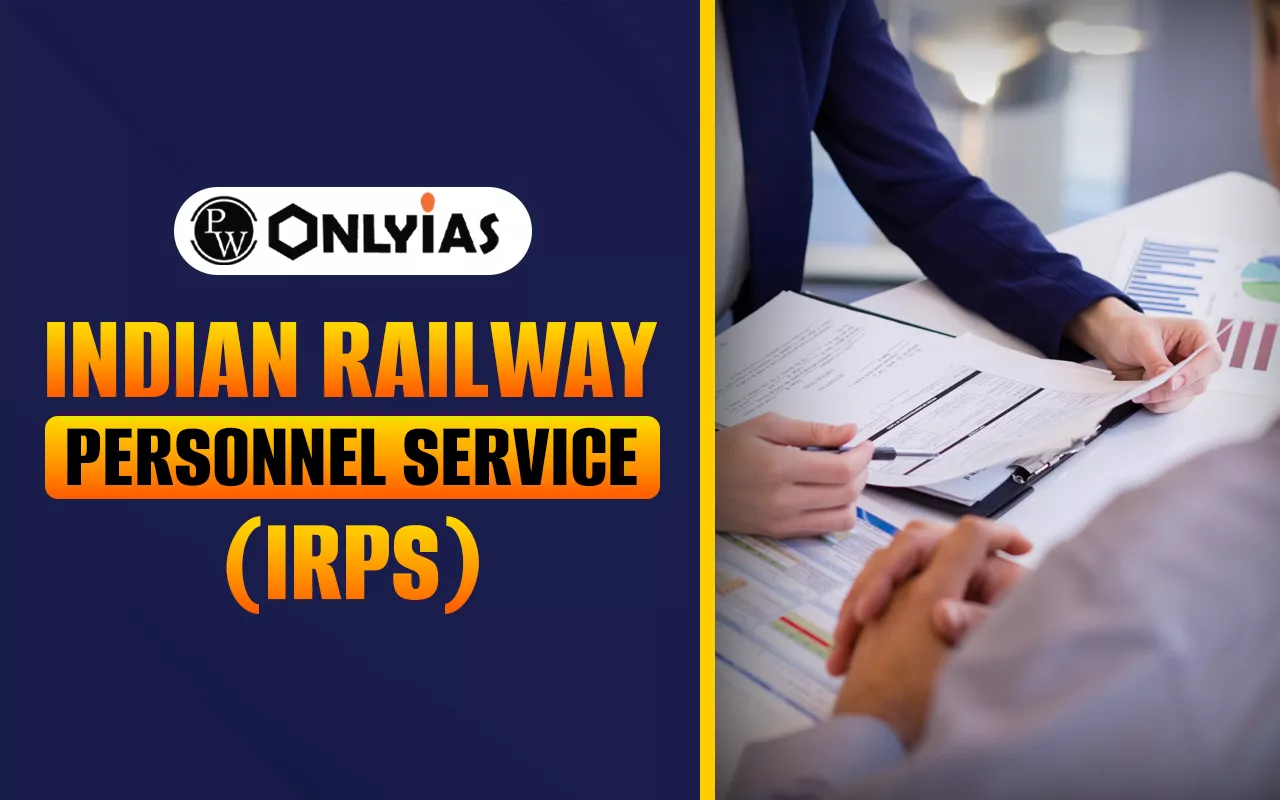
Indian Railway Personnel Service (IRPS) is one of the most respected Group “A” central services in Indian Railways, handling personnel management activities. The service came into existence in 1976, selecting members as part of the UPSC Civil Service examinations, and deals with personnel issues, including recruitment, training, welfare, appraisal, and formulating personnel policies, within a staff strength of 1.4 million workers.
IRPS provides a proper career path, promotions, better remuneration under the 7th Pay Commission, comprehensive training, and excellent security. The officers get experience working at a senior administrative level, under central deputation, and at a senior position in Indian Railways.
The Indian Railway Personnel Service (IRPS) is one of the prestigious Group “A” central civil services in India and holds the distinction of being among the youngest in the country. Formed in 1976, the service started inducting officers through the UPSC Civil Services Examination beginning in 1980. IRPS officers occupy pivotal roles in managing the human resources and personnel administration of the expansive Indian Railways network-one of the largest rail systems in the world.
IRPS stands for Indian Railway Personnel Service. It is a Group “A” Civil Service of the Indian Government. Officers manage about 1.4 million employees in Indian Railways. They also manage employee welfare.
The Indian Railway Personnel Service (IRPS) was established in 1976. Its first batch of officers joined through UPSC CSE in 1980. The service manages human resources for Indian Railways. This ensures smooth operation of the vast railway network.
| Indian Railway Personnel Service Overview | |
| Aspect | Details |
| Service Name | Indian Railway Personnel Service (IRPS) |
| Group | Group “A” Central Civil Service |
| Established | 1976 |
| Recruitment Mode | UPSC Civil Services Examination |
| First UPSC Batch | 1980 |
| Cadre Role | Human Resource Management of Indian Railways |
| Key Functions | Recruitment, training, employee welfare, performance appraisal, HR policy formulation |
| Employees Managed | Around 1.4 million railway employees |
| Eligibility | Bachelor’s degree; Age 21–32 years (with category-wise relaxation) |
| Career Progression | APO → DPO → Sr. DPO → Dy. CPO → CPO → Additional Member → Member (Staff) |
| Pay Structure | 7th Pay Commission (Level 10 to Level 17) |
| Highest Rank | Member (Staff) |
| Nature of Role | Administrative, policy-oriented, people management focused |
IRPS Officers manage a wide range of human resource functions. These are essential for effective management within the Ministry of Railways.
Candidates must meet specific criteria for the Indian Railway Personnel Service (IRPS) Exam. This includes educational qualifications, age limits, and relaxations.
IRPS officers progress through various ranks within the service.
The IRPS Officers Salary Structure follows the 7th Pay Commission. It matches the standard pay matrix for other Group ‘A’ civil services.
| IRPS Officers Salary Structure | ||
|---|---|---|
| Rank | Pay Level | Pay Scale (₹) |
| Assistant Personnel Officer (APO) | Level 10 | ₹56,100 – ₹1,77,500 |
| Divisional Personnel Officer (DPO) | Level 11 | ₹67,700 – ₹2,08,700 |
| Senior Divisional Personnel Officer (Sr. DPO) | Level 12 | ₹78,800 – ₹2,09,200 |
| Deputy Chief Personnel Officer (Dy. CPO) | Level 13 | ₹1,23,100 – ₹2,15,900 |
| Chief Personnel Officer (CPO) | Level 14 | ₹1,44,200 – ₹2,18,200 |
| Additional Member (Staff) | Level 15 | ₹1,82,200 – ₹2,24,100 |
| Member (Staff) | Level 17 | ₹2,25,000 (Fixed) |
Indian Railway Personnel Service (IRPS) officers undergo training that is designed with the aim of building their managerial, administrative, and leadership skills. Their training involves learning from academia as well as hands-on training to prepare them for personnel management tasks in Indian Railways.
Check Out UPSC CSE Books
Visit PW Store
The Indian Railway Personnel Service (IRPS) provides a rewarding and safe career option with plentiful opportunities for development. This not only helps officers to play a critical role in human resource management, but they are also exposed to policy-making positions at higher administrative levels.
Ready to boost your UPSC 2026 preparation? Join PW’s UPSC online courses today!
Explore UPSC Test Series

IRPS stands for Indian Railway Personnel Service.
IRPS officers manage recruitment, training, employee welfare, performance appraisal, and policy formulation for Indian Railways personnel.
Candidates need a bachelor's degree and must be between 21 and 32 years of age as of August 1 of the exam year, with relaxations for specific categories.
Recruitment for IRPS is done through the Union Public Service Commission (UPSC) Civil Services Examination.
An IRPS officer can reach the rank of Member (Staff).




Explore SRIJAN Prelims Crash Course


Connect with our experts to get free counselling & start preparing
Books
Udaan (Prelims Wallah)
Prahaar (Mains Wallah)
Q&A Bank (Prelims & Mains)
Budget & Economic Survey
NCERT Wallah
Marks Booster
हिंदी माध्यम विशेष शृंखला
 Current Affairs
Monthly Current Wallah
Subject Wise Current Affairs
Editorial Analysis
Editorial PDFs
News of The Day
Download Our App



Download Our App
<div class="new-fform">
</div>

 GS Foundation
 Optional Course
 Combo Courses
 Degree Program