UPSC PYQs

Prelims, Mains & Optional PYQs

UPSC Notes

Comprehensive & Short Notes

Assam Floods: Challenges, Causes and Long-Term Flood Risk Management

Assam Floods: Challenges, Causes and Long-Term Flood Risk Management 10 Aug 2026

Assam Floods: Challenges, Causes and Long-Term Flood Risk Management

GS III: Disaster and disaster management.

Context: Assam’s recurring floods have intensified, with 95 deaths, over 1.6 lakh people affected, and nearly 17,000 hectares of cropland submerged in the current monsoon. The recurring nature of the disaster highlights the need to shift from relief-centric to long-term flood-risk management.
UPSC Course Fees Online

Key Concerns

Assam Floods

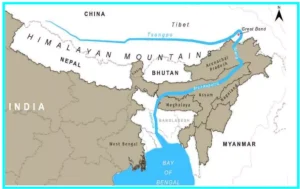
  • Geographical Vulnerability: The Brahmaputra’s heavy silt load, rising riverbed and numerous tributaries make Assam highly flood-prone.
  • Damaged Embankments: Nearly 4,800 km of embankments exist, with over 60% reportedly requiring repairs, making embankment-based protection increasingly unsustainable.
  • Wetland Loss: Encroachment of wetlands has reduced natural water-storage capacity and aggravated urban flooding, particularly in Guwahati.
  • Upstream Dimension: Limited and ad hoc hydrological data sharing with China constrains effective upstream flood forecasting and early warning.
  • Relief-Centric Approach: Large expenditure on embankments and annual relief has not translated into adequate long-term flood and erosion mitigation.

Way Forward

  • Basin-Wide Planning: Integrate flood control, irrigation, wetland restoration and urban drainage under an empowered basin-level authority.
  • Natural Flood Buffers: Restore wetlands, floodplains and other natural ecosystems to absorb excess water.
  • Resilient Infrastructure: Treat flood mitigation as permanent infrastructure rather than recurring emergency expenditure.
  • Floodplain Zoning: Restrict construction in vulnerable floodplains and strengthen land-use planning.
  • Early Warning Systems: Strengthen real-time hydrological data sharing, forecasting and community-level alerts.
  • Community Participation: Involve riverine and char-dwelling communities in flood planning and disaster management.
  • Integrated Governance: Replace fragmented departmental responses with coordinated, long-term flood and erosion management.

Click to Know UPSC OnlyIAS Coaching Centres

Conclusion

Assam’s floods are not merely a natural disaster but increasingly a governance and resilience challenge. India needs to move from the recurring cycle of rescue, relief and reconstruction towards basin-level planning, ecosystem restoration and climate-resilient infrastructure.

Check Out UPSC CSE Books

Visit PW Store

online store 1

Assam Floods: Challenges, Causes and Long-Term Flood Risk Management

Need help preparing for UPSC or State PSCs?

Connect with our experts to get free counselling & start preparing

Free Counselling for UPSC Aspirants

Connect with our experts and take the right next step.

Expert Guidance
Personalized Strategy
100% Free

Book Your Free Session

NEED ASSISTANCE?

Request a Callback

Our counsellor will connect with you and help you choose the right course and centre.

  • Expert Guidance
  • Course & Fee Information
  • Quick Callback Support

Request a Callback

Books
UPSC PYQs
UPSC Notes
Current Affairs
Quick Revise Now !
AVAILABLE FOR DOWNLOAD SOON
UDAAN PRELIMS WALLAH
Comprehensive coverage with a concise format
Integration of PYQ within the booklet
Designed as per recent trends of Prelims questions
हिंदी में भी उपलब्ध
Quick Revise Now !
UDAAN PRELIMS WALLAH
Comprehensive coverage with a concise format
Integration of PYQ within the booklet
Designed as per recent trends of Prelims questions
हिंदी में भी उपलब्ध

<div class="new-fform">


    </div>

    Subscribe our Newsletter
    Sign up now for our exclusive newsletter and be the first to know about our latest Initiatives, Quality Content, and much more.
    *Promise! We won't spam you.
    Yes! I want to Subscribe.