Books

Tatya Tope was a significant leader of the 1857 revolt, known for his disciplined strategy, loyalty to Nana Saheb, and cooperation with Rani Lakshmibai. He guided forces in Kanpur, helped capture Gwalior, and later led guerrilla movements across Central India. Betrayed and captured, he was executed in Shivpuri, leaving a lasting legacy in India’s freedom struggle.
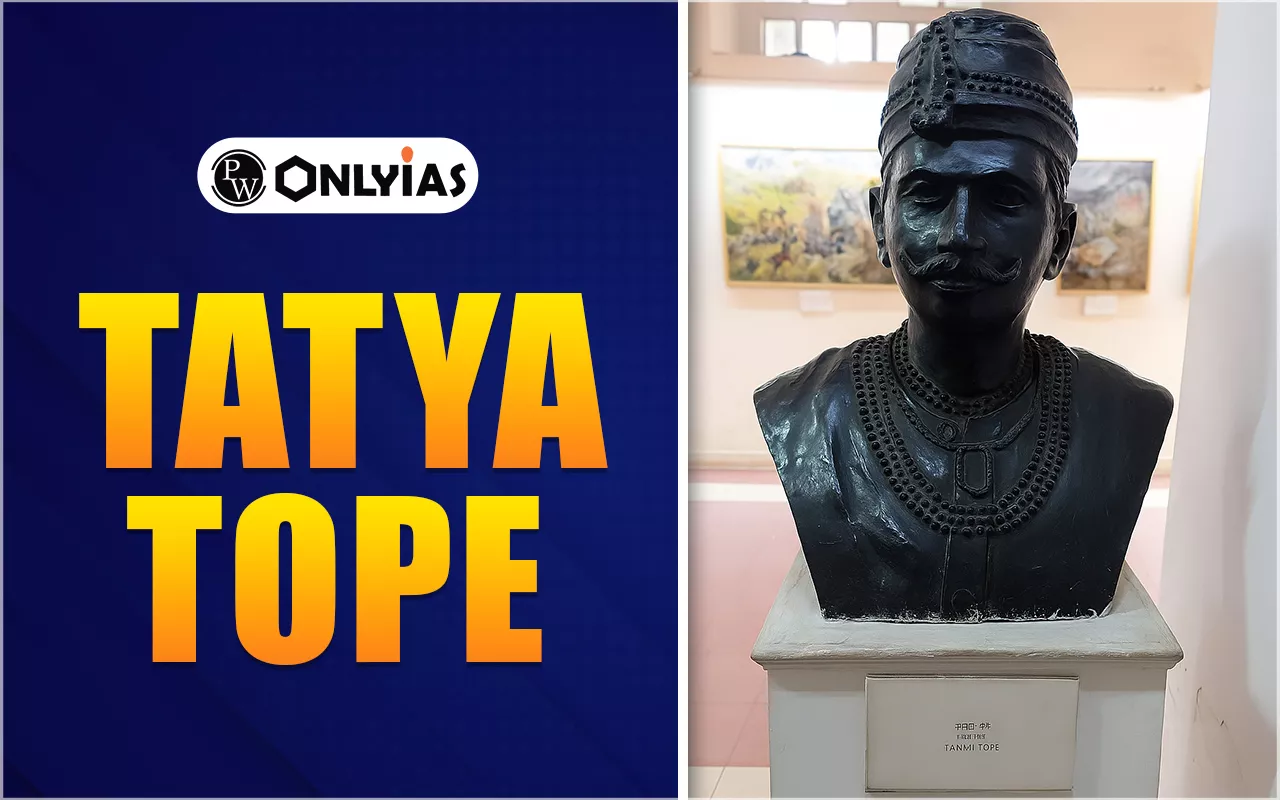
Tatya Tope was one of the brave leaders of the Revolt of 1857. He played one of the most important parts in the early fight that was against British Rule in India. Born in a Maratha Family, he was raised with the values of honesty, courage, and respect. Tatya Tope, after his growth, became popular for his quick thinking and smart battle ideas.
He travelled from place to place, planned sudden attacks, and always supported to other leaders of revolt. His bravery and smart planning encouraged many people to join the fight. Tatya Tope’s life also shows us how strong dedication and discipline can be. Even when times were tough, he never gave up.
Tatya Tope, also known as Tantia Tope, was born as Ramchandra Panduranga in a Marathi Brahmin family. In his home, honesty, responsibility, and discipline were given great importance. These values helped him become a confident, focused, and caring person from a young age. They also made him want to do something good for his country.
As a child, Tatya Tope liked activities that needed courage. He learned horse riding, sword fighting, and how to use simple weapons. These skills helped him later during the Revolt of 1857. He also observed soldiers and leaders around him. By watching them, he learned about teamwork, planning, and strategy.
Tatya Tope became very close to Nana Saheb, the son of the ex-Peshwa. Their friendship became very important in his life. During the revolt, he always stood with Nana Saheb and helped him in difficult situations. He also planned battles and guided others as the revolt spread.
The Revolt of 1857 did not start suddenly. It grew slowly because many people were unhappy with British rule. Britishers started to make decisions that were not in favour of the kings, soldiers, and common people. Due to this, many of them felt their old traditions and systems were ignored.
This led to the growth of their anger and dissatisfaction, which made them strong enough to fight against the British. It was during this time that Tatya Tope saw these problems closely, and since he was a Maratha leader, he supported the good cause. When Kanpur became an important centre of the revolt, he supported Nana Saheb in planning the defence and fighting back.
Tatya Tope’s contribution can be understood in a few simple points:
| Tatya Tope’s Contribution to India’s Freedom Struggle | |
| Point | Description |
| Symbol of Resistance | He became a sign of courage. People looked up to him for hope and strength. |
| Smart Military Leader | He led soldiers well, planned battles smartly, and changed plans when needed. |
| Believed in Teamwork | He worked with Rani Lakshmibai and Nana Saheb, showing the importance of teamwork. |
| Inspiration for the Future | His bravery inspired many freedom fighters who came later. |
| Strong Values | He was loyal, respectful, and responsible. People admired these qualities. |
Tatya Tope is remembered for guiding soldiers, helping other leaders, and changing his plans when needed. His role can be understood in these parts:
When the revolt began at Kanpur, Nana Saheb became the leader. Tatya Tope played an important role by arranging soldiers and keeping them disciplined. Even when they had to leave Kanpur, Tatya stayed calm and supported Nana Saheb’s decisions.
After Kanpur, Tatya Tope worked with Rani Lakshmibai of Jhansi. They formed a strong and trusted team. They fought bravely in Kalpi and Gwalior. Even during very tough battles, Tatya stayed close to Rani Lakshmibai and supported her fully.
Tatya Tope and Rani Lakshmibai together won Gwalior for some time. This victory showed their courage and teamwork. Even though the British took it back later, their effort proved how determined and brave they were.
After losing some big battles, Tatya Tope changed his fighting style. He used guerrilla warfare, which means:
Tatya Tope travelled through Central India, Bundelkhand, and parts of Rajasthan. His fast movements confused the British and slowed their plans. Even when others stopped fighting, Tatya kept going without fear.
Tatya Tope was very loyal to his friends like Nana Saheb, Rani Lakshmibai, and Rao Saheb. He helped them in battles, guided their soldiers, and supported them in difficult times. When Rani Lakshmibai fought her last battle, he made sure she was treated with respect. This shows he was caring and loyal.
Tatya Tope is remembered because he was brave and made smart plans during the Revolt of 1857.
| Tatya Tope Important Facts | |
| Section | Details |
| Full Name | Ramchandra Pandurang Tope |
| Birth | 16 February 1814 |
| Birthplace | Yeola, Nashik district, Maharashtra |
| Parents | Pandurang Rao Tope and Rukhmabai |
| Known For | Leadership in the Revolt of 1857 |
| Movement | Indian Rebellion of 1857 |
| Death | 18 April 1859, Shivpuri, Madhya Pradesh |
Check Out UPSC CSE Books
Visit PW Store
In the last part of his life, Tatya Tope moved from place to place. He looked for support from local kings and kept planning how to continue the fight. But one day, someone he trusted betrayed him, and he was caught.
After being captured, he was put on trial. He said he had always followed the orders of the Peshwa and stayed loyal to his leaders. In April 1859, he was executed in Shivpuri.
Even in his final moments, Tatya Tope remained strong and loyal to his cause. Today, people remember his bravery and honour his role in the Revolt of 1857
Ready to boost your UPSC 2026 preparation? Join PW’s UPSC online courses today!
Explore UPSC Test Series

Tatya Tope was a brave leader of the Revolt of 1857. He is remembered for his bravery, discipline, and active role in many battles.
He supported Nana Saheb in Kanpur, worked with Rani Lakshmibai, captured Gwalior for some time, and led fast attacks in Central India.
He guided soldiers, helped other leaders, made smart battle plans, and continued fighting even when others stopped.
He was born in Yeola in today’s Nashik district of Maharashtra.



Explore SRIJAN Prelims Crash Course


Connect with our experts to get free counselling & start preparing
Books
Udaan (Prelims Wallah)
Prahaar (Mains Wallah)
Q&A Bank (Prelims & Mains)
Budget & Economic Survey
NCERT Wallah
Marks Booster
हिंदी माध्यम विशेष शृंखला
 Current Affairs
Monthly Current Wallah
Subject Wise Current Affairs
Editorial Analysis
Editorial PDFs
News of The Day
Download Our App



Download Our App
<div class="new-fform">
</div>

 GS Foundation
 Optional Course
 Combo Courses
 Degree Program