Subject: GS 3: Science and Technology
Context: The CAG’s 2026 audit of railway stations amenities found E. coli in drinking-water samples.
UPSC Coaching Classes
Key Findings
- Inadequate Basic Amenities: Only 54 of 512 audited stations (about 11%) met all Minimum Essential Amenities (MEA) norms, while over 89% had one or more deficiencies in facilities such as toilets, seating, drinking water and signage.
- Poor Drinking-Water Quality: E. coli was detected in water-cooler samples at eight stations, indicating possible faecal contamination.

About E. coli
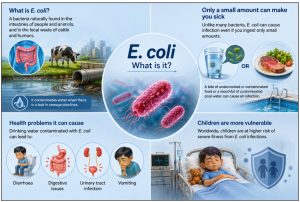
- Escherichia coli (E. coli) is a bacterial strain normally present in the intestines of humans and animals. Most strains are harmless, but certain pathogenic strains cause serious illnesses.
- Different Variants
- Non-pathogenic Strains: Most intestinal E. coli are harmless and form part of the normal gut microbiota.
- Pathogenic Strains: Certain strains produce toxins or possess virulence factors and can cause diarrhoeal diseases, including strains associated with bloody diarrhoea and haemolytic uraemic syndrome (HUS).
- Key Sources: Faecal contamination of water through sewage leaks, polluted sources, damaged pipelines, tanks or water coolers.
- Impact on Human Health: Diarrhoea, cramps, vomiting, fever → dehydration; severe strains → HUS/kidney damage.
- Prevention and Cure
- Safe Water Management, Proper sewage disposal, sanitation, pest control and protection of water sources are essential to prevent faecal contamination throughout the water-supply chain.
Click to Know UPSC OnlyIAS Coaching Centres