India as Global Heat Epicenter 2026: Hotbox Effect, Causes & Heatwave Impacts

27 Apr 2026

India as Global Heat Epicenter 2026: Hotbox Effect, Causes & Heatwave Impacts

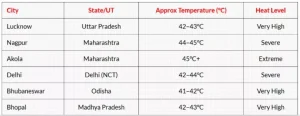
According to data on global temperature trends, both in urban and rural areas, India is experiencing record-breaking heat, making it the global heat epicenter in 2026, with 95 of the world’s 100 hottest cities recording extreme temperatures above 45°C.
UPSC Online Coaching

Key Highlights of the Global Temperature Trends

India as Global Heat Epicenter 2026

  • India at the Global Top: India hosts 95 out of 100 hottest cities globally, surpassing traditionally hotter regions like West Asia and Africa.
  • Most Affected Regions: Severe heat in northern, central, and eastern India including Uttar Pradesh, Bihar, Odisha, Maharashtra, and Gujarat.
    • Example: Banda (UP) recorded ~47.4°C.
  • Temperature Trends: Many cities report 43°C–47°C, indicating intensifying pre-monsoon heatwaves.
    • Rising warm nights worsen heat stress.

Key Factors for Extreme Heat

  • Persistent High-Pressure System (Anticyclone): A strong anticyclone over western India traps hot air, preventing vertical circulation and cooling.
  • Clear Skies & Intense Solar Radiation: Lack of cloud cover increases direct solar heating, raising land surface temperatures rapidly.
  • Dry Northwesterly Winds: Hot, dry winds from arid regions (Rajasthan/Pakistan) intensify heat across plains.
  • Reduced Snow Cover: Lower snow in the Himalayas and Eurasia reduces albedo, increasing regional warming.
  • Oceanic & Climate Factors: ENSO-neutral conditions and warming seas alter atmospheric circulation, delaying pre-monsoon relief.

About the ‘Hotbox Effect’

  • The ‘Hotbox Effect’ refers to a situation where heat gets trapped over a region, causing sustained high temperatures with minimal cooling, similar to a closed box.
  • India as Global Heat Epicenter 2026Key Factors:
    • Atmospheric blocking (anticyclones) preventing heat escape
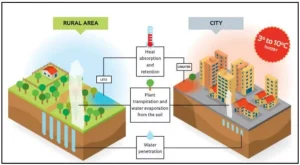
    • Urban Heat Island effect (concrete, low vegetation)
    • Low wind circulation reducing heat dispersion
    • Moisture deficit limiting evaporative cooling
  • Impacts:
    • Public Health: Increased heatstroke, dehydration, and mortality, especially among vulnerable populations.
    • Economic Losses: Potential losses up to $250 billion annually by 2030 due to reduced labour productivity.
    • Energy & Water Stress: Record electricity demand (cooling needs) and water scarcity.
    • Urban Stress: Cities face higher night temperatures, worsening livability and infrastructure strain.

Click to Know UPSC OnlyIAS Coaching Centres

Conclusion

India’s ‘hotbox’ heatwave reflects the convergence of climate change, atmospheric dynamics, and urbanisation, demanding urgent adaptation through heat action plans, sustainable urban design, and climate-resilient policies.

Check Out UPSC CSE Books

Visit PW Store

online store 1

Explore UPSC Foundation Course

Need help preparing for UPSC or State PSCs?

Connect with our experts to get free counselling & start preparing

Aiming for UPSC?

Download Our App

      
Quick Revise Now !
AVAILABLE FOR DOWNLOAD SOON
UDAAN PRELIMS WALLAH
Comprehensive coverage with a concise format
Integration of PYQ within the booklet
Designed as per recent trends of Prelims questions
हिंदी में भी उपलब्ध
Quick Revise Now !
UDAAN PRELIMS WALLAH
Comprehensive coverage with a concise format
Integration of PYQ within the booklet
Designed as per recent trends of Prelims questions
हिंदी में भी उपलब्ध

<div class="new-fform">


    </div>

    Subscribe our Newsletter
    Sign up now for our exclusive newsletter and be the first to know about our latest Initiatives, Quality Content, and much more.
    *Promise! We won't spam you.
    Yes! I want to Subscribe.