During Prime Minister Narendra Modi’s visit to the Netherlands, the Dutch government returned the Chola-era Leiden Plates to India after a 14-year diplomatic effort.
UPSC Online Classes
About Leiden Plates (Anaimangalam Plates)
- The Leiden Plates are 11th-century Chola-era copper plate inscriptions documenting land grants, religious endowments and maritime links of the Chola Empire.
Key Features
-
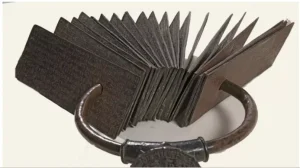
- Composition: There are 21 copper plates, weighing approximately 30 kg, bound together by a bronze ring bearing the royal seal of the Chola dynasty
- Bilingual Composition: The plates contain inscriptions in both Sanskrit and Tamil, reflecting the administrative and cultural sophistication of the Chola Empire.
- Associated Rulers: The plates record grants initiated by Rajaraja Chola I and formally executed by Rajendra Chola I.
- Buddhist and Maritime Linkages: The inscriptions mention grants to the Chudamani Vihara at Nagapattinam, built by the Srivijaya Kingdom, highlighting Chola maritime diplomacy and religious pluralism.
About Chola-Era Copper Plates
- Chola-era copper plates were royal charters issued by Chola rulers between the 9th and 13th centuries CE to record grants, taxation rights, genealogy and administrative orders.
- Different Chola-Era Plates
- Tiruvalangadu Plates: It describes the genealogy and military conquests of Rajendra Chola I, including his Ganga expedition.
- Karandai Plates: They recorded the Rajendra Chola I’s military achievements and extensive land grants to Brahmins.
- Anbil Plates: they were issued by Sundara Chola to provide valuable genealogical information about early Chola rulers.
- Esalam Plates: They mention overseas military expeditions and land grants made by Rajendra Chola I.
- Uththama Chola Plates: They document temple administration, taxation and religious services during the Chola period.
- Key Features of Chola-Era Plates
- Royal Seal and Insignia: The plates were bound by bronze rings carrying the Chola tiger emblem along with symbols of the Chera and Pandya kingdoms.
- Detailed Administrative Records: The inscriptions meticulously recorded land boundaries, taxation exemptions, irrigation rights and duties of local assemblies.
- Genealogical Documentation: The plates preserved royal lineages and political history, making them valuable historical sources.
- Durable Legal Charters: Copper plates functioned as permanent and tamper-resistant state documents for legal and administrative purposes.
Significance of Chola-Era Plates
- Historical Significance: The plates provide authentic evidence regarding Chola governance, economy, military campaigns and social organisation.
- Cultural and Linguistic Importance: They preserve early Tamil and Sanskrit inscriptions and reflect the cultural richness of medieval South India.
- Evidence of Maritime Connectivity: The inscriptions demonstrate Chola maritime trade and diplomatic relations with Southeast Asian kingdoms.
- Religious Pluralism: The grants to Buddhist institutions by Saivite Chola rulers highlight religious tolerance and cultural inclusiveness in the Chola Empire.
Click to Explore UPSC Offline Coaching
Conclusion
The return of the Leiden Plates reflects India’s growing cultural diplomacy and global efforts to reclaim and preserve its civilisational heritage and historical memory.