The Supreme Court of India reaffirmed reproductive autonomy by allowing termination of a 30-week pregnancy of a minor rape survivor, placing the woman at the centre.
Key Highlights of the Case
- Reproductive Autonomy as a Fundamental Right: The Court emphasised that forcing an unwanted pregnancy violates dignity, bodily integrity, and decisional autonomy, recognising reproductive choice as intrinsic to fundamental rights.
- Rejection of Medical Paternalism: By dismissing objections from All India Institute of Medical Sciences, the Court clarified that medical opinion cannot override a woman’s informed decision.
- Call for Legal Reform: The Court urged Parliament to revisit the Medical Termination of Pregnancy Act, 1971, especially to relax gestational limits in cases involving minor rape survivors and prioritise dignity.
UPSC Online Classes
About Medical Termination of Pregnancy (MTP) Act
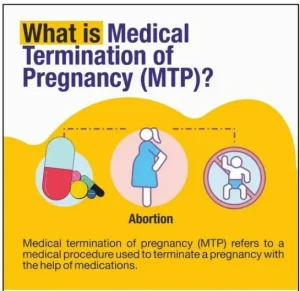
- Origin and Objective: Enacted in 1971, the MTP Act legalized abortion under specific conditions to safeguard women’s health.
- It does not permit abortion solely as a family planning method or personal choice.
- Termination is allowed if pregnancy risks the woman’s life, causes grave physical/mental injury, or if the fetus has severe abnormalities..
- 2021 Amendments: Provided special provisions for Pregnancy between 20 to 24 weeks and beyond 24 weeks.
Key Provisions of the MTP Amendment Act, 2021
- Up to 20 Weeks : Allowed for married/unmarried women in case of contraceptive failure.
- Requires approval from one registered medical practitioner.
- Between 20 to 24 Weeks: Requires approval from two registered medical practitioners (RMP).
- Applies to special categories such as:
- Survivors of sexual assault, rape, or incest.
- Minors.
- Women facing marital status changes (widowhood/divorce during pregnancy).
- Women with physical disabilities or mental illnesses.
- Foetal malformation cases where the child would have severe physical or mental abnormalities.
- Beyond 24 Weeks : Allowed only in cases of substantial fetal abnormality.
- Requires approval from a Medical Board set up by the state government.
- Doctors assess risks to the woman’s life, physical and mental health, or severe fetal abnormalities.
- Confidentiality Clause: The name and details of a woman undergoing abortion shall not be disclosed, except to authorized legal entities.
Concerns Raised Against the Provisions
- Limited Access to Private Hospitals: The MTP Rules lack a category for termination beyond 24 weeks in private hospitals.
- Only government-approved facilities can conduct abortions beyond 24 weeks, restricting women’s choices.
- Delays Due to Medical Board Approval: Women with severe fetal abnormalities must seek approval from a Medical Board, causing delays in urgent cases.
- Need for Clarity in Private Healthcare Regulations : The lack of clear guidelines for private hospitals leads to legal hurdles and denial of timely medical care.
Global Practices on Termination of Pregnancy
- France: Abortion is legal up to 14 weeks of pregnancy.
- After 14 weeks, it is allowed for medical reasons, subject to approval by a medical board.
- United States (Varies by State): Roe v. Wade (1973) initially guaranteed the right to abortion, but the Dobbs v. Jackson (2022) ruling overturned federal protections.
- Some states allow abortion up to viability (~24 weeks), while others have stricter bans or gestational limits.
- United Kingdom: Legal up to 24 weeks under the Abortion Act 1967.
- Beyond 24 weeks, it is permitted only if there is a risk to the woman’s life, severe fetal abnormalities, or grave physical/mental harm.
Click to Know UPSC Offline Courses
Conclusion
The judgment highlights a shift towards a rights-based abortion framework, urging legal reforms to prioritise women’s autonomy, dignity, and timely access to safe termination services while balancing ethical and medical considerations.
 5 May 2026