Udaan, Prahaar, Q&A Bank etc.
CA Magazines & Editorials
 7 Jan 2026

Recently, the Comptroller and Auditor General (CAG) released the second edition of its landmark publication on State Finances.
About CAG
|
|---|
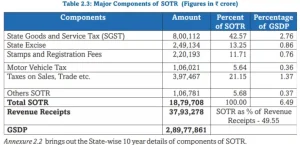
Key Terms:
|
|---|
| Key Comparison: First Edition vs. Second Edition | ||
| Feature | First Edition (Initial Publication) | Second Edition (2023–24) |
| Temporal Scope |
|
|
| Data Granularity |
|
|
| Standardization |
|
|
| Analytical Depth |
|
|
| Liquidity Monitoring |
|
|
| Sectoral Insights |
|
|
| PWOnlyIAS Extra Edge:
CAG Report as the “Empirical Bedrock” for the 16th Finance Commission:
Quantitative Trends (2014-15 to 2023-24)- A Decadal Shift in Fiscal Autonomy:
|
|---|
| Comparison of Fiscal Capacity: High-Performing vs. Low-Performing States (FY 2023-24) | |||
| Category | States Involved | SOTR as % of Total Revenue Receipts | Key Characteristics |
| Top 6 States (High Fiscal Capacity) |
|
|
|
| Bottom 6 States (Low Fiscal Capacity) |
|
|
|
Check Out UPSC CSE Books
Visit PW Store
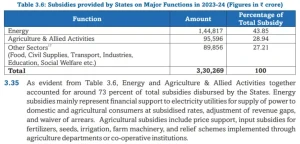
 This often masks the true scale of the state’s wage bill, making the actual committed burden even higher than official salary heads suggest.
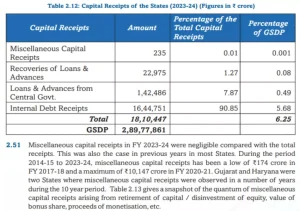 Fiscal Deficit Overruns: Despite an indicative benchmark of 3% of GSDP, 18 states recorded fiscal deficits above this threshold in FY 2023-24.
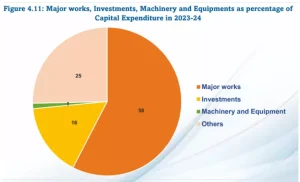
 Revenue vs. Capital Mismatch: Revenue expenditure (running costs) continues to dominate at 83.25%, leaving only 16.75% for Capital Expenditure (asset creation).
 Chronic Liquidity Stress: The reliance on the RBI for temporary cash flow management has moved from an emergency measure to a routine necessity for some states.
The CAG’s Second Edition underscores the urgent need for States to enhance fiscal autonomy, prioritise capital expenditure, rationalise subsidies, and adhere to debt sustainability norms. These reforms will strengthen fiscal federalism, ensure macroeconomic stability, and foster equitable and sustainable development across India.


Connect with our experts to get free counselling & start preparing
Join India’s trusted platform for expert guidance, quality content, proven success.
Learn anytime, anywhere.



India's leading UPSC coaching platform helping aspirants prepare for IAS, IPS, IFS and other Civil Services examinations with the best faculty and proven strategies.
<div class="new-fform">
</div>