Udaan, Prahaar, Q&A Bank etc.
CA Magazines & Editorials
 7 Oct 2026
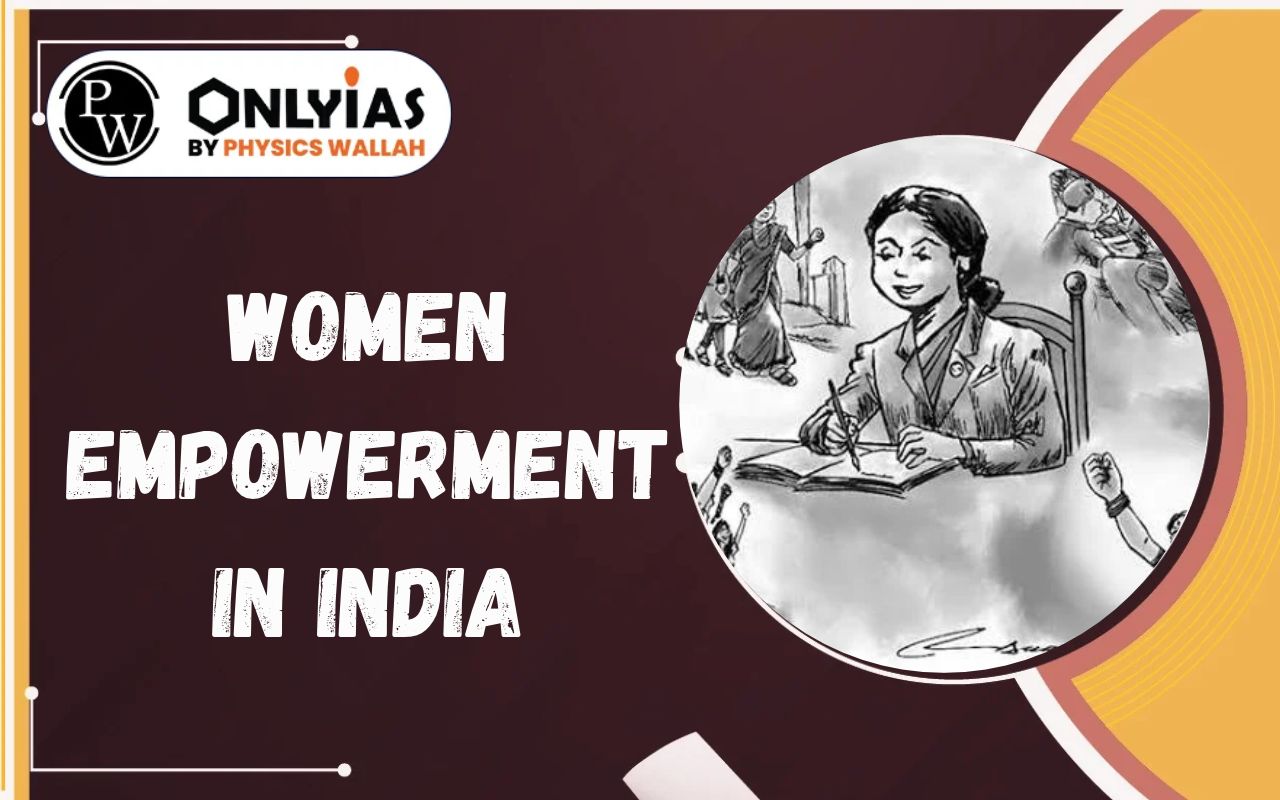
Women’s empowerment is essential for achieving gender equality, inclusive growth and social development in India. It focuses on improving women’s access to education, employment, healthcare, political participation, resources and decision-making. Despite progress through constitutional provisions, government schemes and legal reforms, challenges such as gender discrimination, low workforce participation, violence, unpaid care work and political underrepresentation continue to persist. Pasted text
 Gender Pay Gap: Women earn 36.7% less than men (Global Gender Gap Report 2023).
Women and the Care Economy
|
|---|
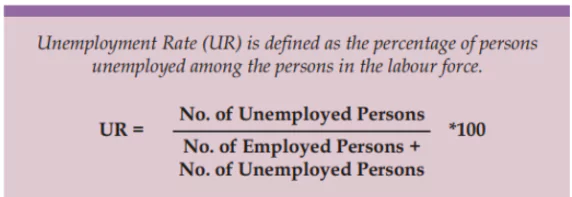
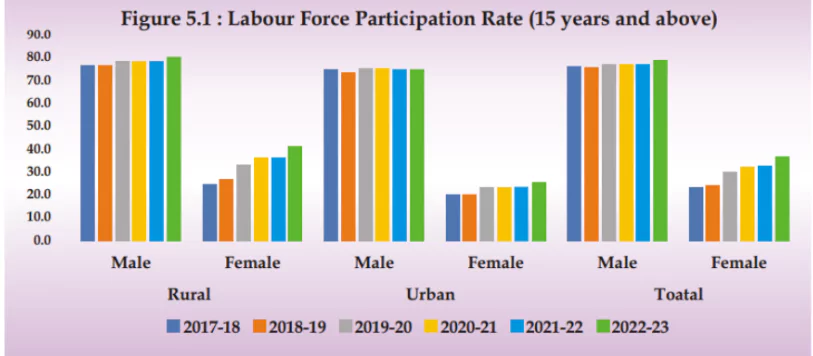
| Labour Force Participation (PLFS Data, 2023-24) | ||
| Indicator | Female | Male |
| Labour Force Participation Rate (LFPR) | 35.6% | 76% |
| Workforce Participation Rate (WPR) | 32.8% | 72% |
| Unemployment Rate | 3.1% | 2.9% |
Constitutional Provisions for Women’s Rights
|
|---|
Correlation of Female Education and Employment
|
|---|
Landmark judgments related to women empowerment
|
|---|
| Country | Initiative |
| Iceland | Equal pay laws & gender-balanced workplaces. |
| Sweden | Gender-responsive urban design (well-lit parks, mixed-use spaces). |
| Japan | Women-only public transport coaches. |
| Rwanda | 61% parliamentary representation for women, increasing security policies. |
International Conventions/AgreementsConvention on the Elimination of All Forms of Discrimination Against Women (CEDAW), 1979
Sustainable Development Goal 5 (SDG 5) – Gender Equality
Convention on the Elimination of All Forms of Discrimination Against Women
World Conferences on Women
|
|---|
Women’s empowerment is not just a social necessity but an economic and national priority. While policy reforms, legal measures, and societal shifts have brought progress, sustained efforts in safety, workforce participation, leadership roles, and education are essential to ensure true gender equality and inclusive growth in India.


Connect with our experts to get free counselling & start preparing
Join India’s trusted platform for expert guidance, quality content, proven success.
Learn anytime, anywhere.


India's leading UPSC coaching platform helping aspirants prepare for IAS, IPS, IFS and other Civil Services examinations with the best faculty and proven strategies.
<div class="new-fform">
</div>