Udaan, Prahaar, Q&A Bank etc.
CA Magazines & Editorials
 27 Aug 2026

Subject: GS 03: Environment
Context: Recently, the Agriculture Ministry has proposed a complete ban on Carbosulfan, a widely used pesticide, citing concerns over its toxicity to humans, non-target organisms and the environment.
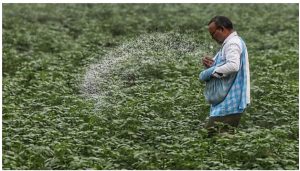 Mode of Action: It inhibits acetylcholinesterase (AChE), causing acetylcholine accumulation and disrupting normal nerve functioning.
Check Out UPSC CSE Books
Visit PW Store


Connect with our experts to get free counselling & start preparing
Join India’s trusted platform for expert guidance, quality content, proven success.
Learn anytime, anywhere.



India's leading UPSC coaching platform helping aspirants prepare for IAS, IPS, IFS and other Civil Services examinations with the best faculty and proven strategies.
<div class="new-fform">
</div>